
Reviewed · KL HAWKER & STREET FOOD CRAWLS
Culinary Journey Through Chinatown with All Type of Delicacies
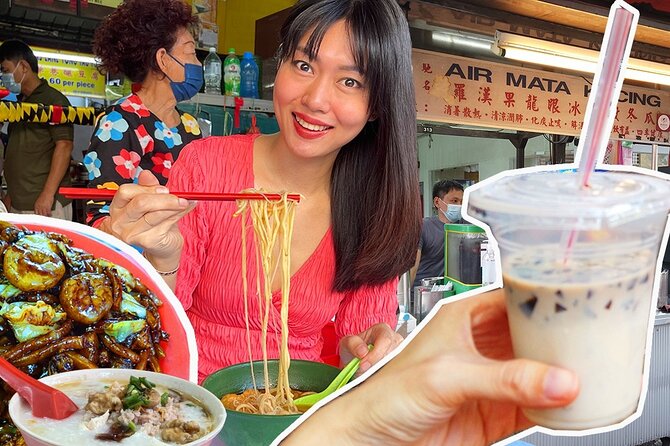
Chinatown has a smell that pulls you in fast. This Central Market to Petaling Street food walk is fun because you’ll taste a tight mix of Chinese BBQ-style treats, Malaysian pancake snacks, and classic tea-bread comfort food, all with a small group and an English-speaking local host. I also like how the route is set up like a sequence, so each stop makes the next one easier to enjoy. One drawback: you’ll be walking about 2–3 km, so wear comfy shoes, and if you’re solo you may find it harder to sample in extra ways versus being in a larger group.
The tour starts at 4:00 pm and runs about 3 hours, ending back at the same meeting point at Central Market. You get a mobile ticket, bottled water, and enough tastings that you really should follow the advice and come with an empty stomach. If you need halal or vegetarian options, the tour can adjust—just flag it when you book.
In This Review
- Key highlights you’ll feel right away
- Central Market to Petaling Street: where the Chinatown food hunt starts
- Bakkwa (Chinese dry meat) in Chinatown: your first smoky bite
- Apam balik-style pancake: why you should eat it while it’s fresh
- Soya bean tofu fa and tropical fruit: the cooling break that keeps you going
- Teh tarik and roti canai: Malaysia’s breakfast comfort in the middle of the tour
- Hokkien mee noodles: a savory finish that makes the whole walk worth it
- Small group pacing, and why the guide matters (Rayhan Raj Naidu is a highlight)
- Price and value at $104.80 per person for a 3-hour Chinatown run
- How to prep: empty stomach, footwear rules, and dietary needs
- Who should book this Chinatown tour (and who might skip it)
- Should you book this Central Market Chinatown food tour?
- FAQ
- What time does the tour start, and how long is it?
- What’s included in the price?
- Is hotel pickup or drop-off included?
- How much walking is involved?
- Can I request halal or vegetarian options?
- Are alcoholic drinks included?
Key highlights you’ll feel right away
- Seven tasting stops across Chinese and Malaysian food styles, not just one “main dish”
- Small group up to 15 people, which makes it easier to ask questions and keep moving
- Included bottled water so you can focus on flavors (and not hunt for drinks mid-walk)
- Teh tarik + roti canai on the same route, a very Malaysia combo
- Hokkien mee to close the loop with something savory and filling
- Street-food stop swaps if needed, with the promise of the same authentic experience
Central Market to Petaling Street: where the Chinatown food hunt starts
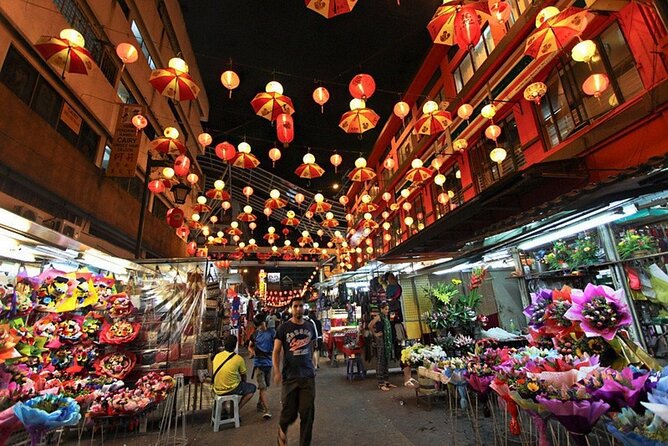
Most food tours fail when they start with chaos. This one starts with a simple plan: meet near Central Market at the information counter, then begin at the entrance. It’s a great starting point because you’re already in a transport-friendly area, and you don’t have to wrestle with complicated directions. The tour also ends back at the meeting point, which is handy when you want to keep exploring Chinatown at your own pace afterward.
You’ll spend a little time in Central Market before heading toward Petaling Street, which is the heart of Chinatown shopping and street life. Expect walking, stopping, and trying food in small bites—built for a 3-hour window. Also note the pace: it’s listed as an average 2–3 km walking with stop-and-relax breaks.
Practical tip: since the tour explicitly asks you to come with an empty stomach, don’t show up after a huge meal. If you’re the kind of person who needs a snack to feel human, you can do it—but keep it light. You want room for the full tasting lineup later, especially the warm items.
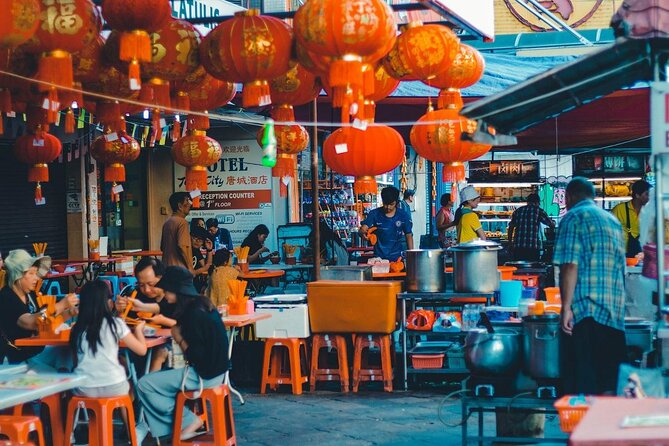
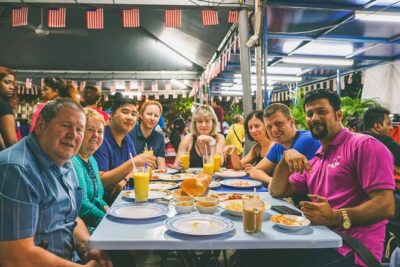
More plastic stools and sizzling woks on Jalan Alor
Bakkwa (Chinese dry meat) in Chinatown: your first smoky bite
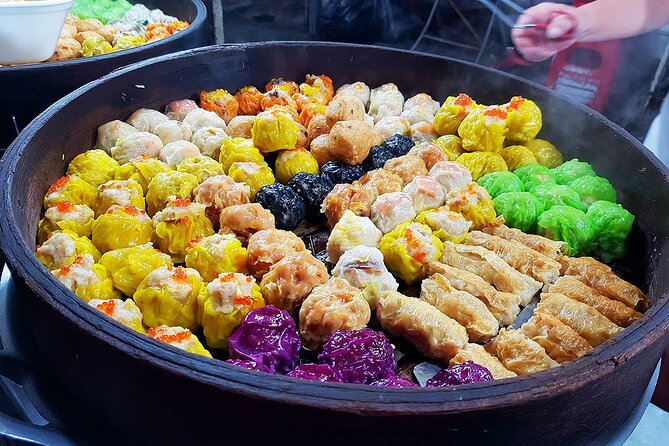
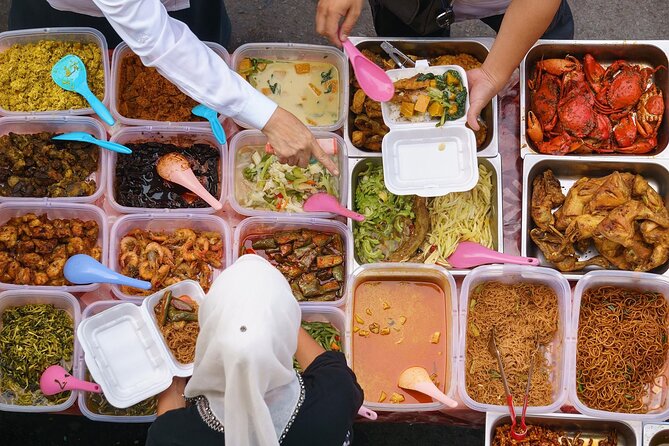
The first big food test is bakkwa, a Chinese-style dry meat made for snacking and sharing. You’ll try it as part of the Chinatown sequence, and the tour notes you’ll taste two types of meats, which matters. Dry meat is one of those foods where one version can be sweet and another can be more savory, and having two lets you learn the difference quickly instead of guessing.
Why this stop works: bakkwa is strong on flavor, so it helps set your expectations for the rest of the walk. It also fits the Chinatown vibe—this is the kind of food you’ll actually see people buying and eating while they browse. You’re not just tasting in a vacuum; you’re tasting within the daily rhythm of the market.
A small caution: bakkwa is intense. If you’re sensitive to salty, smoky, or sweet-salty flavors, pace yourself and leave some room for the next snack. This tour includes drinks later, and you’ll likely want them after the meat.
Apam balik-style pancake: why you should eat it while it’s fresh
Next up is the Malaysian style pancake, often compared to apam balik. The description points out the texture: a fluffy center with crunchy edges, plus a sweet topping blend. That matters because apam balik is all about contrast. If you wait too long, the crunch softens. If you rush it, you lose the texture experience.
This is a smart stop in the route because it acts like a palate reset after the bakkwa. Pancake-style snacks also tend to be easier to eat on the move, which keeps the tour flowing without turning into a sit-down meal.
What to look for: even if you’re not into cooking, pay attention to the edges—this is where the crunch happens. And if you want to keep enjoying everything (instead of getting full fast), treat this as a real tasting: enjoy it, then keep walking.
Soya bean tofu fa and tropical fruit: the cooling break that keeps you going
After the pancake, you’ll try a soya bean drink served hot or cold. The hot version is described as jelly-like tofu fa, which is a very practical choice on a Chinatown walk—warm and soothing when the day feels hot or sticky. Either way, it’s a flavor and texture contrast that makes the next stops more enjoyable.
On top of that, the tour includes local tropical fruits along the walk. Fruits sound simple, but in a food hunt they do two jobs:
1) they lighten the mouth after richer items, and
2) they give you a quick “sample of the season,” which is often where you learn what a place is actually eating.
If you have a sweet tooth, this stop may feel like the break you needed. If you don’t, the drink and fruit still help you avoid the classic problem: burning through tastings too fast and then feeling sick halfway through.
Teh tarik and roti canai: Malaysia’s breakfast comfort in the middle of the tour
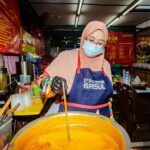
One of the most satisfying parts of this route is that it shifts from Chinese bites to a local Indian Muslim restaurant for teh tarik and roti canai. This is one of Malaysia’s best-known pairings, and the tour includes both. That’s not just convenient—it’s a smart move because it gives you a full taste story of Malaysia, not only Chinatown.
Teh tarik is served as Malaysia’s number one beverage in the tour description, and roti canai is positioned as a breakfast/tea-time delicacy. If you’ve ever wondered why people keep talking about this combo, it’s because it mixes two pleasures: a warm, milk-tea drink and flaky, comforting bread that soaks up sauces.
Practical tip: this stop is where you can slow down a little. The bread and tea usually feel more substantial than earlier snacks. If you’re budgeting your appetite, this is a good point to decide whether you want to keep a little extra space for the final noodles.
Hokkien mee noodles: a savory finish that makes the whole walk worth it
To close, you’ll head to a Chinese restaurant for Hokkien mee. Noodles are an excellent ending because they’re filling but not as heavy as a full set meal. And because this tour already gave you sweet and salty earlier—bakkwa, pancake, tofu fa-style drink, fruit—ending with something savory helps everything feel balanced.
The tour calls it a unique-style Chinese noodle, specifically Hokkien mee, so you’re not ending with just any bowl of noodles. It’s a recognizable dish tied to Malaysia’s Chinese community, and it fits the Chinatown route naturally.
If you’re the type who wants to remember the tour by one main flavor, this is where your brain will likely attach the final memory. Eat what you can, savor the broth and toppings, and then wrap up back at the meeting point.
Small group pacing, and why the guide matters (Rayhan Raj Naidu is a highlight)
This tour runs with a max of 15 travelers, and that small size is a big deal. In a big crowd, Chinatown food tours can become a race. Here, the setup is more relaxed: you can ask questions, get guidance, and keep your bearings while you’re walking.
You’ll also have a friendly English-speaking local host, and the reviews mention a guide named Rayhan Raj Naidu as being especially good at service spirit and food guidance. Even if your guide isn’t Rayhan, the tour’s design is clearly built around a person-led experience, not a pre-recorded script. That matters because food is context. A good host helps you understand what you’re tasting, not just where to stand.
If you like learning while you eat—without turning it into a classroom—this format fits.
Price and value at $104.80 per person for a 3-hour Chinatown run
At $104.80 per person, you’re paying for three things: organization, guided guidance, and multiple tastings. For a Chinatown walk, that can feel like a lot at first glance—until you compare it to the real cost of eating your way through seven food stops on your own, plus the value of having someone point you to the right places in the right order.
Here’s what you’re clearly getting:
- Food, drinks & dessert tastings
- Bottled water
- Friendly English-speaking local host
- A route that includes specific items: bakkwa, apam balik-style pancake, tofu fa-style soya drink, teh tarik, roti canai, and Hokkien mee
What you’re not getting is also clearly stated: hotel pickup and drop-off and additional beverages (alcoholic drinks). So if you’re planning to drink alcohol, you’ll need to pay separately. If your goal is pure food, the included line-up is doing most of the heavy lifting.
So is it good value? For me, it looks best if you:
- want a structured way to try a bunch of different foods, and
- don’t want to spend your limited time figuring out what to order and where.
If you already know Chinatown well and you prefer a totally free-form wandering approach, it might feel pricey. But if you want a guided tasting that covers multiple cuisines, the price starts to make sense fast.
How to prep: empty stomach, footwear rules, and dietary needs
This is a walking-focused tour, but it’s not extreme. It lists average walking at 2–3 km and says most people can participate with a moderate physical fitness level. You’ll have short stop-and-relax moments, yet you should plan to be on your feet for a good portion of the 3 hours.
Dress and rules: the additional info includes guidance for visiting a Hindu Temple—shoulders covered, knees covered, and footwear removed with lockers at the entrance. The tour may or may not include a temple stop, but this is the kind of rule that catches people off guard. Bring light clothing that covers your shoulders and wear shoes you can remove easily if needed.
Dietary needs are handled in a straightforward way. The tour notes Halal & Vegetarian option is available, and you should advise any dietary requirements at booking. Allergies should also be shared so the host can consider them. That’s exactly what you want from a food tour: communication up front, not surprises later.
Last prep tip: because you’re told to come with an empty stomach, I recommend you eat lightly earlier in the day and hydrate before you meet. The tour includes water, but starting hydrated helps you enjoy the taste variety without feeling overheated.
Who should book this Chinatown tour (and who might skip it)
Book it if you want a guided Chinatown food sequence that mixes Chinese and Malaysian tastes in a compact timeframe. It’s especially a good fit if you:
- like trying multiple foods instead of committing to one meal,
- want structure without a long sit-down restaurant day, and
- appreciate small-group attention so questions don’t get swallowed by the crowd.
You might hesitate if:
- you dislike walking or don’t like market-style routes,
- you want a fully customized menu (this tour is set up around specific tastings), or
- you’re looking for alcohol-focused nightlife. Alcoholic drinks aren’t included.
If you’re the kind of person who gets hungry just looking at menus, this tour’s built for that.
Should you book this Central Market Chinatown food tour?
If your priority is tasting your way through Chinatown without the guesswork, I’d book it. The biggest reason is simple: the food lineup is specific and varied—bakkwa, apam balik-style pancake, tofu fa-style soya drink, teh tarik + roti canai, and Hokkien mee—so you end the tour with a real sense of what Kuala Lumpur’s Chinatown can deliver.
One more reason: the tour is designed for a small group up to 15, includes bottled water, and runs a clear 3-hour schedule starting at 4:00 pm with the end back at Central Market. That makes it easy to plug into a day without needing a car or complex logistics.
If you’re hungry, flexible, and ready to walk a bit, this is a strong use of an afternoon.
FAQ
What time does the tour start, and how long is it?
The tour starts at 4:00 pm and runs for about 3 hours.
What’s included in the price?
It includes a friendly English-speaking local host, food, drinks, and dessert tastings, and bottled water. The tour also uses a mobile ticket.
Is hotel pickup or drop-off included?
No. Hotel pick-up and drop-off are not included, and you’ll need to get to Central Market on your own.
How much walking is involved?
The tour lists an average of 2–3 km walking, with stop-and-relax breaks. A moderate physical fitness level is recommended.
Can I request halal or vegetarian options?
Yes. Halal & Vegetarian options are available, and you should advise the provider at booking.
Are alcoholic drinks included?
No. Additional beverages (alcoholic drinks) are not included.
Filed Under Kuala Lumpur
- Kuala Lumpur: Batu Caves Half-Day Tour with Pick-Up Option
★ 4.5 · 4,288 reviews - Private Half-Day Batu Caves and Cutural Tour in Kuala Lumpur
★ 5.0 · 3,107 reviews - Sambal Streets Kuala Lumpur Food Tour with 15+ Tastings
★ 5.0 · 2,438 reviews - Historical Malacca Guided Day Tour (Shared Tour)
★ 5.0 · 2,172 reviews
The Jalan Alor Appendix
- Sambal Streets Kuala Lumpur Food Tour with 15+ Tastings
★ 5.0 · 2,438 reviews - Kuala Lumpur: Sambal Street Food Tour with 15+ Tastings
★ 4.9 · 1,657 reviews - The 10 Tastings of Kuala Lumpur With Locals: Private Street Food Tour
★ 5.0 · 249 reviews - Kuala Lumpur Local Street Food Private Walking Tour by Night
★ 4.5 · 224 reviews
Fresh Reviews from the Klang Valley
- Kuala Lumpur by Night: Food, Culture & City Lights Tour”
★ 4.5 · 3 reviews - Kuala Lumpur Customizable Tour
★ 5.0 · 3 reviews - National Zoo with Giant Panda
★ 3.5 · 3 reviews - Kuala Lumpur City to Kuala Lumpur International Airport Transfer
★ 5.0 · 3 reviews - Private Magical View With Petronas Tower & Cultural Dinner
★ 4.2 · 3 reviews
KL Hawker & Street Food Crawls, compared.
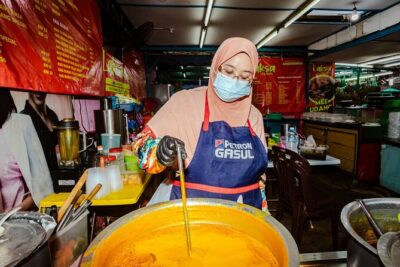 ★ 5.0Sambal Streets Kuala Lumpur Food Tour with 15+ TastingsFrom $552,438 reviews
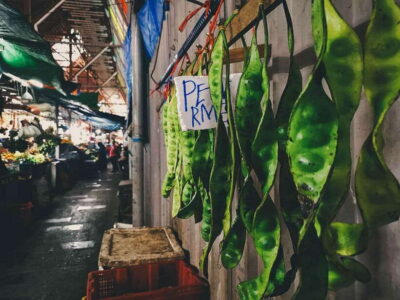 ★ 4.9Sambal Street Food Tour with 15+ TastingsFrom $531,657 reviews
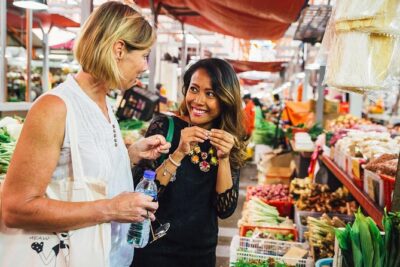 ★ 5.0The 10 Tastings of Kuala Lumpur With Locals: Private Street Food TourFrom $79249 reviews
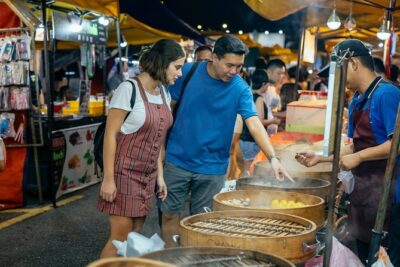 ★ 4.5Kuala Lumpur Local Street Food Private Walking Tour by NightFrom $68224 reviews
 ★ 5.0Eat Like a Local: Kuala Lumpur Hawker Center and Street Food Tour by NightFrom $62198 reviews
 ★ 4.5Local Street Food Night TourFrom $69162 reviews
 ★ 5.0Laksa Lanes Kuala Lumpur Food Tour with 14+ TastingsFrom $55148 reviews
 ★ 4.8Private Food Tour – 10 Tastings with LocalsFrom $75145 reviews
Browse the lists this tour appears in