
Reviewed · KUALA LUMPUR SIGHTSEEING TOURS
Kuala Lumpur Full Day City Tour
The day starts with a plan, not stress. This Kuala Lumpur full-day tour strings together major landmarks plus neighborhood stops, with hotel transfers and air-conditioned driving to keep you moving fast. I especially like the Batu Caves stop (admission free) and the way the route mixes icons like the Petronas area with cultural sites in Chinatown and Brickfields. The main drawback to factor in is that it is a tight schedule and the towers’ entrances aren’t included, so you may pay extra if you want to go up.
You’ll cover a lot—up to 23 attractions visited or driven past—in roughly 7 hours, which makes it a strong option when you’re short on time. It’s also set up as a private experience, meaning only your group goes along, even if that can mean multiple cars for larger groups. Just know there’s no separate tour guide included, so your English-speaking driver is your main source of context.
In This Review
- Quick take: what makes this KL tour tick
- Why a 7-hour KL tour is perfect when you want the highlights
- Price and logistics: what $44.75 buys you (and what it doesn’t)
- Stop 1: Batu Caves temple time—45 minutes, free entry, and lots of stairs
- Petronas Twin Towers area: iconic skyline views without the tower ticket
- KL Tower: skyline perspective with a separate entrance cost
- Royal Selangor Visitor Centre: a crafts stop that teaches more than it sells
- Sri Maha Mariamman Temple and the Chinatown edge: oldest meets everyday life
- National Monument and Merdeka Square: Malaysia’s story in stone
- Brickfields, Little India: history of bricks and the feel of a neighborhood
- East Coast Batik (Batik Chong): a crafts center with long roots
- Thean Hou Temple: a Chinese temple with sea goddess symbolism
- Sultan Abdul Samad Building and Kuala Lumpur City Gallery: architecture and civic memory
- National Mosque and KL Lake Gardens area: star-shaped dome and 73m minaret
- Istana Negara: official residence from the outside perspective
- Malayan Railway Administration Building and the River of Life area: the city’s makeover
- What to expect from the pacing—and how to protect your time
- Should you book this Kuala Lumpur full day tour?
Quick take: what makes this KL tour tick
- Private-group feel with hotel pickup and drop-off, so you don’t waste time figuring out routes
- A/C transport through spread-out sights, including some viewpoints you might otherwise skip
- Batu Caves at a sensible pace (about 45 minutes) with free admission listed
- Iconic city center hits like Petronas Twin Towers area and KLCC Park, with outside views
- Free admission at many stops, including temples, national landmarks, and city galleries
- Mixed execution risk: a few past bookings reported pickup or timing problems, so confirm meeting details clearly
Why a 7-hour KL tour is perfect when you want the highlights

Kuala Lumpur can feel spread out. This tour is built for that reality. You get driven between neighborhoods and viewpoints, and you still touch the big-name sights plus some cultural stops that give the city context.
The value here is in the planning. With hotel transfers included and most admissions listed as free, you spend less time on tickets and more time on actually seeing things. And because many stops are planned for short visits, you’re not stuck in one place all day.
One thing I’d keep in mind: short stops are great for orientation, but they don’t replace a slower, deep-dive day. If you want to linger at a temple, shop for crafts for an hour, or spend real time inside museums, you’ll need to pair this with a second day of your own.
The capital in one sweep, more circuits
Price and logistics: what $44.75 buys you (and what it doesn’t)
At about $44.75 per person for roughly 7 hours, the big inclusions are:
- Air-conditioned vehicle
- English-speaking driver
- Hotel pick-up and drop-off
- Mobile ticket
What’s not included:
- Petronas Twin Towers entrance
- KL Tower entrance
- A tour guide
So the math is pretty simple. If you’re fine with outside views of the Petronas area and skyline spots, this price stays attractive. If you want to go inside or up the towers, budget extra tickets for those two.
Also, even though it’s private, one past booking noted that for a group of nine, cars showed up instead of a van. That doesn’t automatically mean it’s always like that, but it’s a good reminder to ask about vehicle type if your group has specific needs.
Stop 1: Batu Caves temple time—45 minutes, free entry, and lots of stairs
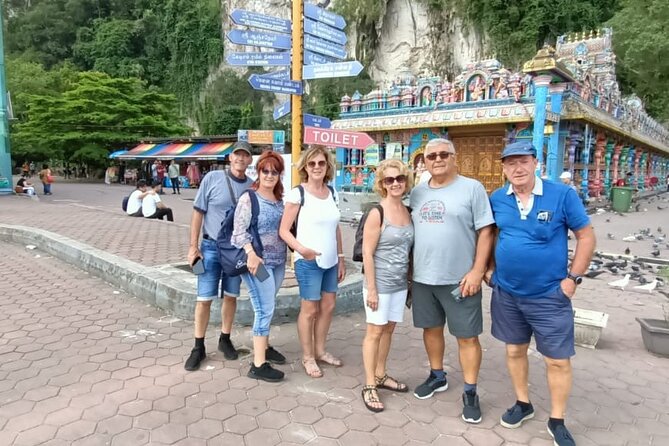
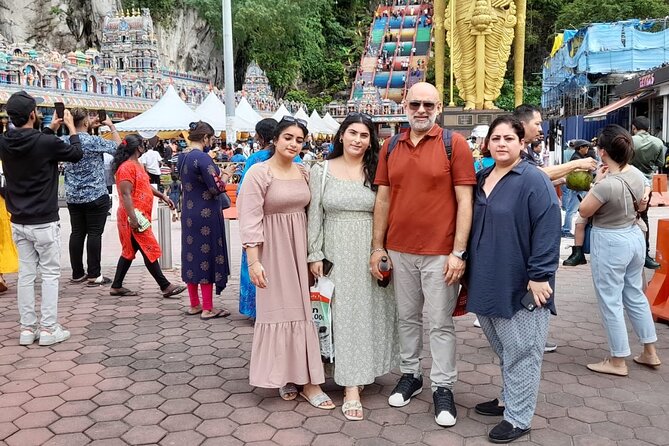
Your day begins at Batu Caves, a Hindu temple and shrine complex in Selangor that’s famous for the crowds that arrive for Thaipusam. Even outside festival season, it’s a place with energy. The mix of dramatic limestone caves and active religious worship creates a scene that feels distinctively local, not just tourist-photo local.
The schedule gives you about 45 minutes, which is a decent window. It usually covers the walk in, time for photos, and a chance to see the main temple area without feeling rushed the whole time.
A practical tip: wear shoes you can trust. Batu Caves involves climbing and uneven footing in places. If it’s hot or humid, slow down, drink water, and remember you’re walking up before you’re doing anything else.
Admission is listed as free for this stop, which helps keep your day’s costs under control.
Petronas Twin Towers area: iconic skyline views without the tower ticket
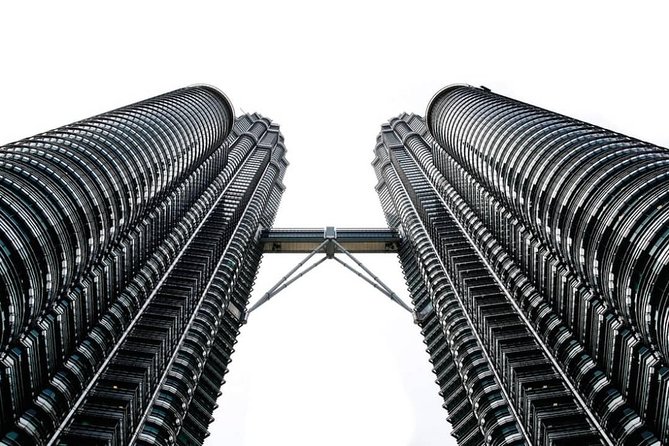
Next up is the Petronas Twin Towers, one of the most recognizable modern landmarks in Malaysia. The towers are listed at 451.9 meters, and they sit at the heart of KLCC (the city center development).
Your time here is short—about 20 minutes—and the entrance ticket is marked not included. That means you should expect outside viewing and photo time, not a full visit inside the towers.
Right after that, you get KLCC Park for around 20 minutes. It’s basically your breather: urban greenery designed to soften the hard edges of the skyline. If you want a little calm between big monuments, this little park stop helps.
If you’re the type who wants the best skyline photos, timing can matter. During your photo window, look for angles that keep the towers tall in the frame without cutting your view with street clutter.
KL Tower: skyline perspective with a separate entrance cost
Then comes KL Tower, standing on Bukit Nanas and listed at 421 meters. The tower’s design is noted as reflecting Islamic heritage, which makes it more than just a viewing platform from far away.
Your allotted time is about 20 minutes, but the entrance is marked not included. So again, the experience is mostly about the exterior view and skyline context.
If you want the ride up or indoor access, check ticket costs before you go. With only one or two paid entrances on the route, it’s easy to plan your budget—just don’t wait until the last minute when your schedule is already moving.


Royal Selangor Visitor Centre: a crafts stop that teaches more than it sells
After skyline landmarks, you shift to something tactile: Royal Selangor Visitor Centre. Royal Selangor is described as the world’s foremost name in quality pewter since 1885—and this stop is about craftsmanship, not just shopping.
The key benefit of including a crafts-focused stop is that it gives you a break from monuments. You also get a different kind of understanding of Malaysia: design traditions you can recognize even if you’re not an expert in metals.
Admission is listed as free, and your time is around 20 minutes. That’s enough to appreciate what pewter is and how it’s shaped and finished, without turning the day into a shopping marathon.
If your group loves handmade goods, you may want to spend a few extra minutes browsing after the main viewing, but keep it realistic—your day is already packed.
Sri Maha Mariamman Temple and the Chinatown edge: oldest meets everyday life
You then hit Sri Maha Mariamman Temple, identified as the oldest Hindu temple in Kuala Lumpur, founded in 1873. The listing notes a newer structure built in 1968, and it places the temple at the edge of Chinatown on Jalan Bandar (formerly High Street).
This stop tends to feel more grounded than many big monuments because it’s part of daily cultural space. You’re not only looking at architecture—you’re watching living tradition.
Admission is marked free, and the time is about 20 minutes. That’s enough to see the main temple area and pick up on the visual details without feeling like you’re trying to do everything at once.
Practical tip: temples can mean dress codes in many places around the world. Keep shoulders and legs covered if you can, and be ready to adjust quickly when needed.
National Monument and Merdeka Square: Malaysia’s story in stone
From religious sites, you move into national symbolism with the National Monument. The listing frames it as a memorial recognizing those who gave up their lives for peace and freedom during Malaysia’s struggle against threats to that freedom.
This is one of those stops where the value is less about photos and more about understanding what you’re looking at. You get about 20 minutes, so you can read enough to grasp the message, then step back for wider views.
Later, you reach Dataran Merdeka (Merdeka Square), directly opposite the Sultan Abdul Samad Building. The listing highlights historical significance: it’s where the Union Flag was lowered.
Again, you’re given about 20 minutes. This works well for orientation. If you want to sit and absorb more, you’ll need a longer separate stop on another day.
Brickfields, Little India: history of bricks and the feel of a neighborhood
Next is Little India / Brickfields. The listing gives a strong origin story: Brickfields began as the center of brick-making in the late 19th century after fire and flood disasters in 1881 destroyed earlier town structures.
That history matters because it explains why “Little India” sits where it does. It’s not just a label; it’s a place shaped by how the city rebuilt itself.
Your time is listed at about 20 minutes. That’s short, but enough to walk a bit, get a sense of the neighborhood energy, and then move on without turning the day into a food crawl you didn’t plan for.
East Coast Batik (Batik Chong): a crafts center with long roots
After the neighborhood feel, you visit East Coast Batik Sdn Bhd (Batik Chong). The listing says it was established in 1974, and it calls the center one of the oldest batik and handicrafts centers in the Klang Valley.
This stop is valuable because batik is a language you can see. You’re not just looking at one object; you’re seeing how patterns and dye processes become fabric designs.
Admission is free here as listed, and you get around 20 minutes. That’s a good length for learning the basics and spotting quality differences without getting stuck in a long demo.
Thean Hou Temple: a Chinese temple with sea goddess symbolism
You then go to Thean Hou Temple, a six-tiered temple dedicated to the Chinese sea goddess Mazu. The listing notes its setting overlooking surrounding roads and areas in Kuala Lumpur.
This is a nice contrast to the Hindu and national monuments you’ve already seen. Different religion, different symbolism, different architectural language—same city.
It’s listed as free admission, with about 20 minutes on the schedule. Use that time to notice the layered roofline and the way the temple sits on a higher viewpoint.
Sultan Abdul Samad Building and Kuala Lumpur City Gallery: architecture and civic memory
A major visual moment in your route is the Sultan Abdul Samad Building, right in the Merdeka area. The listing calls it iconic and notes Moorish design elements plus a clock tower. It also says the building houses the Supreme and High Courts.
You’ll get about 20 minutes. In that window, don’t rush past it as just a photo backdrop. Step close enough to notice the style details.
Then you visit Kuala Lumpur City Gallery. It’s listed as founded in 1989 after the building previously served other roles, including as a printing office. The listing also mentions past tenants, including a Ministry of Labour and a postal-related authority.
Admission is free and the time is around 20 minutes. This is the kind of stop that helps you connect what you saw outside with how the city itself thinks about its past.
If your group likes learning, this is one of the best “small museum” moments on the schedule.
National Mosque and KL Lake Gardens area: star-shaped dome and 73m minaret
Next up is the National Mosque (Masjid Negara). The listing calls it one of the most distinguished landmarks in the city, pointing out its star-shaped dome and a 73m high minaret.
This is a major architectural stop, and it’s listed at free admission with about 20 minutes.
The advice for visitors is mentioned in the description (visitors are advised). Since the exact details aren’t provided, I’d treat this as a prompt to check basic temple/mosque etiquette on arrival: dress modestly, be mindful of prayer areas, and follow any posted instructions.
Istana Negara: official residence from the outside perspective
You also include Istana Negara, the official residence of the King of Malaysia. The listing says it officially became the National Palace in November 2011, replacing an older palace in Jalan Tuanku Abdul Rahman.
Your time is around 20 minutes, and admission is listed as free. In many cases, palace visits depend on access rules. In your day-planning mindset, treat this as an architectural viewing and photo-context stop unless you see clear signs that you can enter certain areas.
Malayan Railway Administration Building and the River of Life area: the city’s makeover
Your route ends in the “modern KL improving itself” zone: the River of Life.
The schedule includes the Malayan Railway Administration Building area and then a stop called The River of Life. The description explains the River of Life as a government project transforming the Klang River into a livable waterfront with high economic value. It’s framed as a seven-year project and connects to multiple rivers in the system.
This is one of the most interesting “why Kuala Lumpur feels like it’s changing” stops. You’re not only looking at old temples and colonial-era civic buildings—you’re seeing a current urban plan taking shape.
You’ll get about 20 minutes here, which is enough to understand the concept and grab a few photos, even if you don’t have time for a long riverside walk.
Also, the listing says this area relates closely to Masjid Jamek Sultan Abdul Samad, noted as the oldest mosque in the city. Even if you don’t step inside that specific mosque on this schedule, the stop helps you place what you’re seeing inside the bigger city story.
What to expect from the pacing—and how to protect your time
This tour is built around short scheduled visits, often around 20 minutes each, with a longer chunk at Batu Caves. That pace is great for:
- getting orientation in one day
- hitting the must-see highlights without transportation headaches
- pairing with a longer follow-up day in whichever neighborhood you like most
But it can feel tight if you:
- want long indoor visits
- get stuck waiting on group timing
- prefer slow museum-style stops
Also, I’d treat day-of closures as a real possibility. One past booking described a day where many listed sites were closed and fewer stops happened. If you’re booking for a once-in-a-lifetime day, I’d keep expectations flexible and ask what the tour does when a stop is closed.
Finally, your driver matters. The tour includes an English-speaking driver, and one driver named James was mentioned as professional and reliable in a positive account. In another account, a driver reportedly had limited English and route issues. So if you want smooth navigation, confirm your exact pick-up time and meeting point, and keep your phone ready.
Should you book this Kuala Lumpur full day tour?
I’d book it if you want a first-time KL checklist day that’s mostly about outside landmarks, quick cultural stops, and low-friction city getting-around. The pricing works best when you’re happy with free admissions and outside viewing, and you’re okay with a schedule that prioritizes coverage over deep time.
I’d think twice if you’re the type who wants:
- a dedicated tour guide (this is not listed as included)
- to go up Petronas Twin Towers or KL Tower without added cost
- a slower rhythm with extra time inside each site
- guaranteed smooth pickup every time (a small number of accounts reported pickup problems)
If you’re short on time and your goal is to get your bearings fast, this tour can do that well. Just plan for the two paid tower entrances if they matter to you, and be ready for a day that moves.
Filed Under Kuala Lumpur
- Kuala Lumpur: Batu Caves Half-Day Tour with Pick-Up Option
★ 4.5 · 4,288 reviews - Private Half-Day Batu Caves and Cutural Tour in Kuala Lumpur
★ 5.0 · 3,107 reviews - Sambal Streets Kuala Lumpur Food Tour with 15+ Tastings
★ 5.0 · 2,438 reviews - Historical Malacca Guided Day Tour (Shared Tour)
★ 5.0 · 2,172 reviews
The Grand Sweep of KL
- Kuala Lumpur: Ronda Hop-On Hop-Off City Sightseeing Bus Pass
★ 3.7 · 833 reviews - Kuala Lumpur: Half-Day City Tour
★ 4.4 · 769 reviews - Kuala Lumpur: City Tour & Batu Caves Combo
★ 4.4 · 722 reviews - The Best of Kuala Lumpur Classic
★ 5.0 · 675 reviews
Fresh Reviews from the Klang Valley
- Kuala Lumpur by Night: Food, Culture & City Lights Tour”
★ 4.5 · 3 reviews - Kuala Lumpur Customizable Tour
★ 5.0 · 3 reviews - National Zoo with Giant Panda
★ 3.5 · 3 reviews - Kuala Lumpur City to Kuala Lumpur International Airport Transfer
★ 5.0 · 3 reviews - Private Magical View With Petronas Tower & Cultural Dinner
★ 4.2 · 3 reviews
Kuala Lumpur Sightseeing Tours, compared.
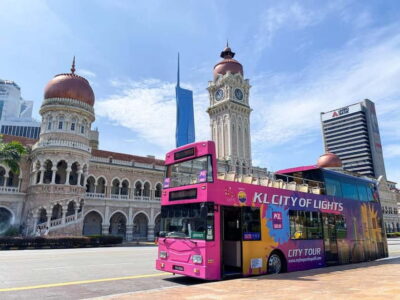 ★ 3.7Ronda Hop-On Hop-Off City Sightseeing Bus PassFrom $10833 reviews
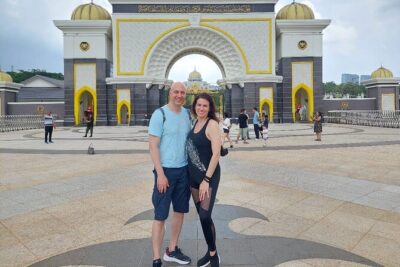 ★ 4.4Half-Day City TourFrom $12769 reviews
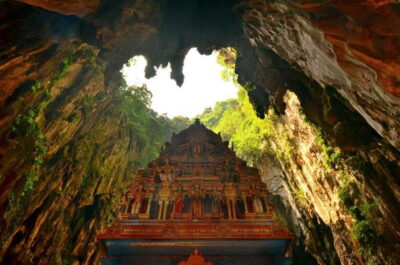 ★ 4.4City Tour & Batu Caves ComboFrom $15722 reviews
 ★ 5.0The Best of Kuala Lumpur ClassicFrom $65675 reviews
 ★ 4.6Full-Day Private City Highlights TourFrom $50589 reviews
 ★ 4.5Kuala Lumpur City Tour Full Day 8 hoursFrom $56575 reviews
 ★ 4.6From Kuala Lumpur: City Tour with 21 AttractionsFrom $19512 reviews
 ★ 5.0️ Kuala Lumpur Instagram Tour: Most Famous Spots (Private & All-Inclusive)From $107429 reviews
Browse the lists this tour appears in