
Reviewed · KL HERITAGE WALKS
Kuala Lumpur Heritage Walk
Tin-mining streets, temples, and breakfast in four hours. This heritage walk is a smart hit of Chinese and Indian immigrant traditions plus “see-it-to-believe-it” city texture across Central Market, Chinatown, and several worship sites. I love the small-group pace (up to 10) and I love the food tastings that turn history into something you can actually taste.
One caution: this is a walking tour with a moderate fitness level requirement, and there’s no hotel pickup—so you’ll want to arrive at the Central Market meeting point ready to go.
In This Review
- Key highlights at a glance
- Why this heritage walk is an easy win in Kuala Lumpur
- Starting at Central Market: the walk begins where locals move
- Stop 1: breakfast at Restoran Yusoof dan Zakhir
- Sin Sze Si Ya Temple: Taoist practice with guest discretion
- Sri Mahamariamman Temple: Hindu deities and how worship works
- Chinatown and the wet market: where food teaches you how to look
- Sultan Abdul Samad Jamek Mosque: a story of where Kuala Lumpur began
- Lebuh Ampang lunch: authentic Indian cuisine break
- What small-group size changes for you
- Food tastings: how to get the most without overthinking it
- Timing, walking pace, and what to wear
- Price and value: what $60 buys you in practice
- Who should book this tour (and who might skip it)
- Should you book Kuala Lumpur Heritage Walk?
- FAQ
- How long is the Kuala Lumpur Heritage Walk?
- Where do I meet the tour, and when does it start?
- What is the group size?
- What’s included in the price?
- Do you offer a vegetarian option?
- What are the stops and what kinds of experiences are included?
- Is there hotel pickup or drop-off?
- Do I need a mobile ticket?
- Are there any age or activity requirements?
- What if I need to cancel?
Key highlights at a glance
- Central Market starting point keeps the whole day grounded in Kuala Lumpur’s historic core
- Sin Sze Si Ya Temple participation may include candle and joss-stick rituals, depending on guest comfort and discretion
- Sri Mahamariamman Temple focus teaches Hindu deities and practice with time to follow your interests
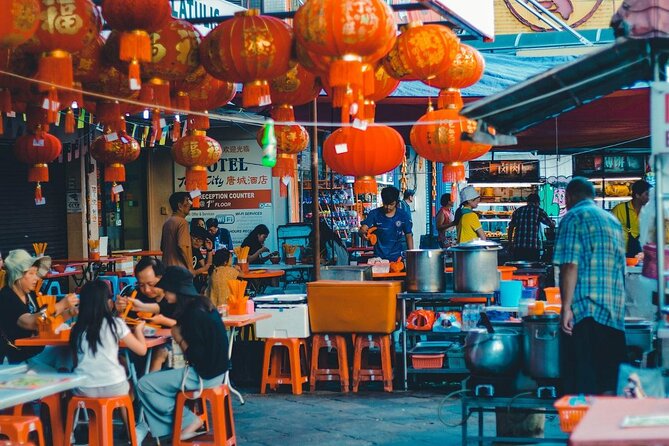
- Chinatown wet-market stop is built for sampling local Chinese foods, not just photos
- Up to 10 people means you’re not lost in a crowd when questions come up
- Food tastings with bottled water reduce decision fatigue on where to eat next
Why this heritage walk is an easy win in Kuala Lumpur
Kuala Lumpur can feel big and fast. This tour is the opposite. In about four hours, you get a guided path through the parts of the city where different communities set roots, traded, and built places of worship. It’s not just sightseeing—it’s a guided way to read the streets.
The best part for most people is that you’re not stuck staring at landmarks from the sidewalk. You’ll be eating along the route, and your guide will connect what you see—markets, temples, and a historic mosque—to the people who lived there. If you like getting your bearings quickly, this is a strong first-half-day option.
Kampung Baru lanes and more walks like this
Starting at Central Market: the walk begins where locals move
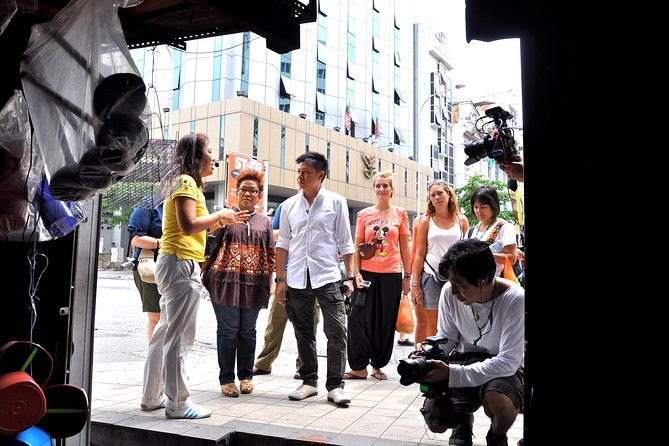
You start at the Tourist Information and Interaction Centre inside the Central Market Annexe (Lot 02-03, mezzanine floor). It’s a good choice because Central Market is already a “working neighborhood” energy point. You’re not wandering out to some remote spot and hoping you can find it.
From the start, expect a relaxed rhythm. The tour is built for short stops and quick explanations, with time at each site for questions and context. Also, it ends back at the same meeting point, which makes your plans for later in the day much easier.
Practical tip: bring a small tumbler if you can. Bottled water is included, and you’re encouraged to refill it at the center.
Stop 1: breakfast at Restoran Yusoof dan Zakhir
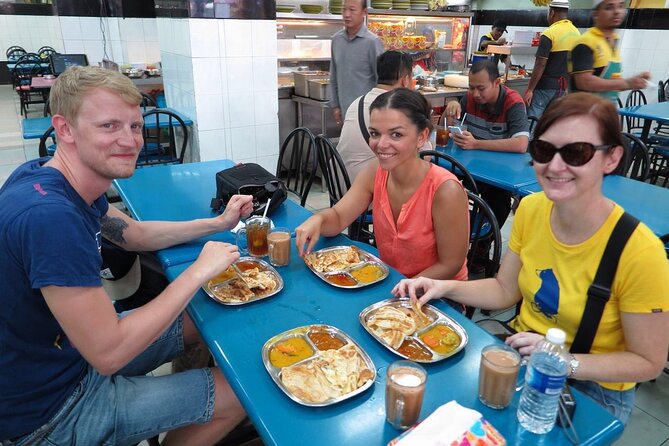
The morning begins with Malaysian breakfast at Restoran Yusoof dan Zakhir. This is a smart way to start a heritage walk because food is usually where culture becomes concrete. Before you hit temples and markets, you’re already tasting the neighborhood’s daily life.
You get a short, focused breakfast stop (about 15 minutes). The tradeoff is that it’s not a long café meal. The upside is that it keeps the tour moving while still giving you a real flavor of what comes next.
If you have dietary needs, this is the time to flag them clearly during booking. The tour offers a vegetarian option if you request it in advance, and they ask for specific dietary requirements at booking.
Sin Sze Si Ya Temple: Taoist practice with guest discretion
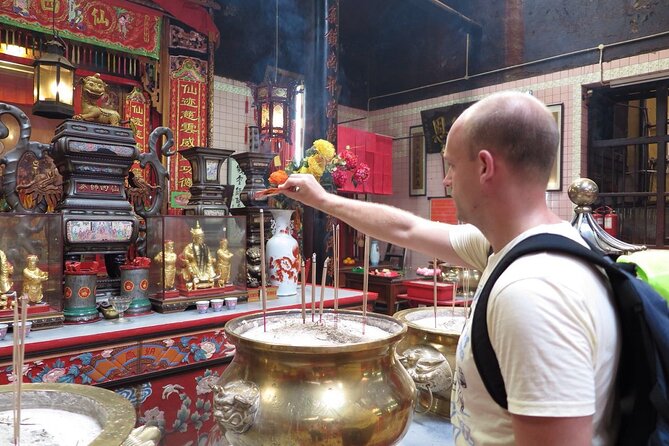
Sin Sze Si Ya Temple is where the tour turns from street-level culture to lived religion. You’ll learn about Taoist culture and religious practice, and you may be invited to participate in rituals like lighting candles and using joss sticks.
There’s also an interactive element involving the idea of inviting good luck through a ritual involving the Goodluck Man on the wall. The key detail is that this is only done at the discretion of the guests. In other words, you can opt in or out based on comfort level—follow your guide’s lead and respect the temple’s rules.
This stop lasts about 15 minutes. That’s enough time for a guided explanation and participation, without turning the visit into a long ceremony you might not want. If you prefer to watch quietly, you can still get plenty from listening.
Sri Mahamariamman Temple: Hindu deities and how worship works
Next is Sri Mahamariamman Temple, a Hindu temple visit that’s designed around understanding, not just observing. You’ll get an explanation of Hindu culture and the deities involved, and the guide tailors the time based on your interest.
The time on this stop is flexible: up to about 20 minutes, and it’s not forced to equal the full four hours. If you want more context, you’ll likely have room to ask questions. If you’re temple-culturally curious but not trying to spend forever inside, you should feel okay with the pacing.
Practical consideration: temple visits can involve sensory details—incense and close proximity to religious activity. Wear clothing you’re comfortable in for indoor spaces, and keep your posture respectful.
Thean Hou, the mosques and more sacred stops

Chinatown and the wet market: where food teaches you how to look
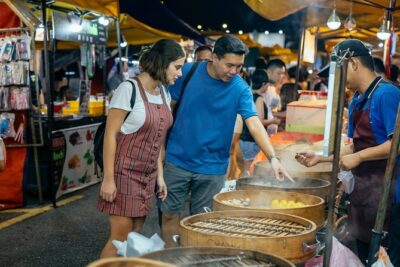
Then you’re sent into Chinatown, with a specific focus on a wet market atmosphere and tasting Chinese foods that locals actually look for. This is one of the biggest value points on the tour, because markets are hard to navigate without guidance. A guide helps you notice the differences between dishes, ingredients, and what the food is “for.”
This segment includes about 20 minutes in Chinatown, with time shaped by your interest level. The structure is short enough to stay energetic, but long enough to sample more than one item.
If you’re sensitive to smell or crowded stalls, you might want to pace yourself. The tour is built for moderate walking and short stops, but wet-market areas can still feel busy and intense.
Sultan Abdul Samad Jamek Mosque: a story of where Kuala Lumpur began
After the temples, you’ll visit Sultan Abdul Samad Jamek Mosque. This stop is about the origin story—your guide will tell you how Kuala Lumpur began.
It’s a quick visit (around 15 minutes), but that timing matters. You’re not lingering so long that the tour loses momentum. You’re also not getting a tiny sound-bite either; there’s enough time to connect the city’s development to the religious and civic spaces that shaped it.
If you’re the kind of traveler who likes a single, clear thread to hold a city in your mind, this mosque stop can be that thread.
Lebuh Ampang lunch: authentic Indian cuisine break
The tour continues to Lebuh Ampang, a street with a history role your guide will explain. Then you stop for lunch to savor authentic Indian cuisine.
This is the longer sit-down moment (about 30 minutes). It’s a nice contrast to the quicker temple and market stops. By the time you reach this point, you’ve already tasted your way through the morning. Lunch feels less like a hard “next thing” and more like a payoff.
Also, if you requested a vegetarian option, this is likely one of your most important opportunities to make sure your meal fits your needs. Since the tour asks for dietary requirements at booking, you’re giving them a chance to plan.
What small-group size changes for you
This tour caps at 10 travelers. That matters more than it sounds. In a smaller group, your guide can track who has questions, who wants more time at a temple, and who just needs things clarified once.
It also changes the food-tasting experience. You’re more likely to be guided toward items that make sense for you rather than swept along in a single-file line.
In the reviews, guides like Kristin, Sean, and Winnie are mentioned with real energy. That kind of personal attention tends to show up most at the interactive parts—like learning how to make something simple, or understanding why a ritual works a certain way. One review even notes that the tour can sometimes intersect with local celebrations such as an Indian wedding ceremony, depending on timing and what’s happening nearby.
Food tastings: how to get the most without overthinking it
Food is a big deal on this route. You’ll start with Malaysian breakfast, sample Chinese foods in Chinatown, and end with lunch in Lebuh Ampang. Bottled water is included, and refills are supported if you bring a tumbler.
Two practical strategies help you enjoy it more:
- If you’re picky about certain textures or spice levels, tell your guide during the first stop.
- If you have dietary restrictions, don’t wait until you’re hungry. Request vegetarian needs (or other requirements) during booking.
Also, keep expectations realistic. This isn’t a multi-course feast; it’s tastings. The goal is variety and understanding, not stuffing yourself.
Timing, walking pace, and what to wear
The tour runs about four hours, starting at 9:00 am and ending back at the meeting point. Expect moderate walking, short transitions, and brief stops that add up.
Because caps and hats aren’t included, consider bringing sun protection. Kuala Lumpur weather can be warm and bright, and you’ll be outside for stretches.
Wear comfortable shoes. You’re moving through markets and religious areas where you’ll likely want stable footing.
Price and value: what $60 buys you in practice
At $60 per person for a four-hour walking experience, the value is mostly in the combination:
- An English-speaking guide
- Multiple tastings (breakfast plus lunch and market sampling)
- Several cultural stops where context matters (temples and mosque)
- Bottled water included
A DIY approach could work, but you’d likely miss the “why” behind the sites and spend more time figuring out where to eat that fits the heritage theme. Here, the guide builds a route that connects food, worship spaces, and neighborhood identity without you having to research each stop on the fly.
The small-group limit also protects your experience. You’re paying not just for directions, but for attention.
Who should book this tour (and who might skip it)
You’ll likely love this if you want:
- A guided orientation to Kuala Lumpur’s historic center
- Temple and market culture explained in plain language
- Food tastings that guide your choices instead of leaving you to guess
You might choose another option if:
- You strongly prefer long, fully independent time at each site
- You dislike walking tours with a moderate fitness requirement
- You want hotel pickup convenience (this tour doesn’t include it)
Should you book Kuala Lumpur Heritage Walk?
I think it’s a great buy for a first visit or a half-day “get to know the city” plan. The blend of Central Market, Chinatown sampling, and temple visits makes it feel like you’re reading Kuala Lumpur’s cultural mix, not just passing through it.
If you’re thoughtful about food and religion—curious but respectful—this tour gives you a useful, high-signal route for the money. Book it early, too. It’s commonly reserved about 20 days in advance, which usually means the small-group slots fill.
FAQ
How long is the Kuala Lumpur Heritage Walk?
It’s about 4 hours.
Where do I meet the tour, and when does it start?
You meet at the Tourist Information and Interaction Centre (TiiC) at Central Market Annexe, Lot 02-03 Mezzanine Floor, Jalan Hang Kasturi. The start time is 9:00 am.
What is the group size?
The tour has a maximum of 10 travelers.
What’s included in the price?
Included items are bottled water (with refill encouragement if you bring a tumbler), food tastings, and an English-speaking guide.
Do you offer a vegetarian option?
Yes. Vegetarian options are available, and you should request this at the time of booking.
What are the stops and what kinds of experiences are included?
You’ll visit Restoran Yusoof dan Zakhir for breakfast, Sin Sze Si Ya Temple, Sri Mahamariamman Temple, Chinatown (including a wet market and food sampling), Sultan Abdul Samad Jamek Mosque, and Lebuh Ampang for Indian cuisine lunch.
Is there hotel pickup or drop-off?
No, hotel pickup and drop-off are not included. The tour ends back at the meeting point.
Do I need a mobile ticket?
Yes. The tour uses a mobile ticket.
Are there any age or activity requirements?
The minimum age is 11 years, and you should have a moderate physical fitness level.
What if I need to cancel?
You can cancel for free up to 24 hours before the experience’s start time for a full refund.
Filed Under Kuala Lumpur
- Kuala Lumpur: Batu Caves Half-Day Tour with Pick-Up Option
★ 4.5 · 4,288 reviews - Private Half-Day Batu Caves and Cutural Tour in Kuala Lumpur
★ 5.0 · 3,107 reviews - Sambal Streets Kuala Lumpur Food Tour with 15+ Tastings
★ 5.0 · 2,438 reviews - Historical Malacca Guided Day Tour (Shared Tour)
★ 5.0 · 2,172 reviews
Domes, Deities and Old Walls
- From Kuala Lumpur: Private Batu Caves Cultural Tour
★ 4.4 · 410 reviews - Half Day Cultural And Batu Caves Tour in Kuala Lumpur
★ 5.0 · 344 reviews - Kuala Lumpur: Private Batu Cave, National Mosque Tour, Lunch
★ 4.7 · 236 reviews - Private Half-day Batu Caves and Cultural Tour Kuala Lumpur *2026*
★ 5.0 · 165 reviews
KL at Walking Pace
- Kuala Lumpur Local Street Food Private Walking Tour by Night
★ 4.5 · 224 reviews - Kuala Lumpur: Nightlife Walking Tour with Local Guide
★ 5.0 · 33 reviews - Kuala Lumpur: Private Walking Tour with a Local
★ 4.5 · 28 reviews - Half Day Cultural And Heritage Walking Tour in Kuala Lumpur
★ 5.0 · 28 reviews
Fresh Reviews from the Klang Valley
- Kuala Lumpur by Night: Food, Culture & City Lights Tour”
★ 4.5 · 3 reviews - Kuala Lumpur Customizable Tour
★ 5.0 · 3 reviews - National Zoo with Giant Panda
★ 3.5 · 3 reviews - Kuala Lumpur City to Kuala Lumpur International Airport Transfer
★ 5.0 · 3 reviews - Private Magical View With Petronas Tower & Cultural Dinner
★ 4.2 · 3 reviews
KL Heritage Walks, compared.
 ★ 4.5Kuala Lumpur Local Street Food Private Walking Tour by NightFrom $68224 reviews
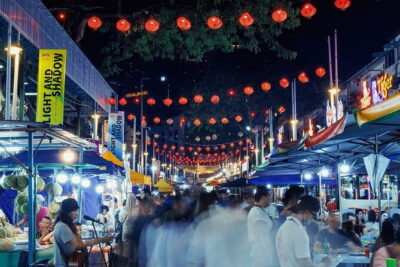 ★ 5.0Nightlife Walking Tour with Local GuideFrom $2533 reviews
 ★ 4.5Private Walking Tour with a LocalFrom $4828 reviews
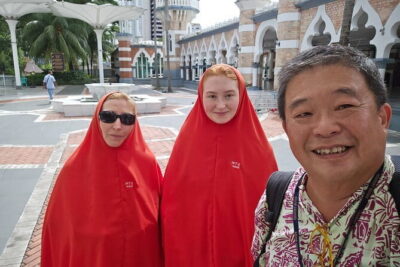 ★ 5.0Half Day Cultural And Heritage Walking Tour in Kuala LumpurFrom $3928 reviews
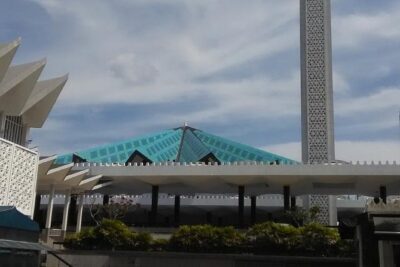 ★ 5.0Kuala Lumpur InfoFun Walking Tour ExperienceFrom $4024 reviews
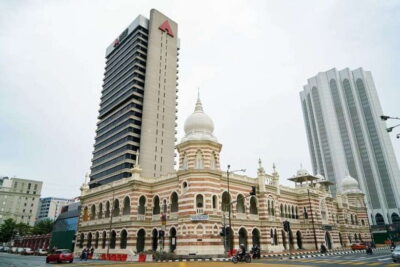 ★ 4.5Private custom walking tour with a local guideFrom $4718 reviews
 ★ 5.0Kuala Lumpur Heritage 4-Hour Walking TourFrom $6010 reviews
 ★ 5.0Kuala Lumpur Walk, Eat & See TourFrom $758 reviews
Browse the lists this tour appears in