
Reviewed · BATIK & PEWTER WORKSHOPS
Malaysian Batik Experience-Handkerchief
Wax, color, and a scarf you’ll actually wear. This Malaysian batik class in Kuala Lumpur is a hands-on studio experience where you learn the process start to finish, then create your own design using traditional hot wax and dyes. It’s built for beginners, with guidance throughout, so the craft feels doable rather than intimidating.
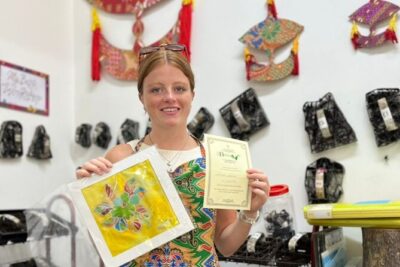
I especially liked how much you control your final look. You pick from templates and color options, then transfer that idea into a scarf or handkerchief you can take home. I also like that the studio keeps things practical: you’re working with the real tools and steps, from the sketch through wax application and dye painting, with bottled water and snacks included to keep your energy up. In at least some sessions, the team even includes friendly, patient guidance from staff such as Ms. Carol.
One watch-out: your take-home timeline can shift depending on what you’re making and how you want it finished. For a scarf, you can typically leave with a completed piece after about two hours, while a handkerchief option calls for extra waiting (about 4 hours) or a return the next day for final drying and prep.
In This Review
- Key highlights to know before you go
- A downtown KL studio that makes batik feel manageable
- Start at Jadi Batek: what the studio day feels like
- From sketch to motif: choosing a design that fits your style
- Canting hot wax: the step that people talk about
- Coloring with dyes: where your choices really show
- Drying, framing, and the take-home timing you should plan for
- What’s included in the price (and what you might pay extra)
- Is this worth it for your budget and time?
- Who this batik workshop fits best
- The one drawback I’d plan around
- Should you book this Malaysian batik experience?
- FAQ
- How long does the batik experience take?
- Do I need any experience to make Malaysian batik?
- What do I get to take home?
- What’s the handkerchief timing?
- Are tools and materials included?
- Are there optional add-ons?
- What if my plans change?
Key highlights to know before you go
- Beginner-friendly instruction from start to finish, with the guide on hand the whole time
- Canting hot-wax technique taught hands-on using traditional tools
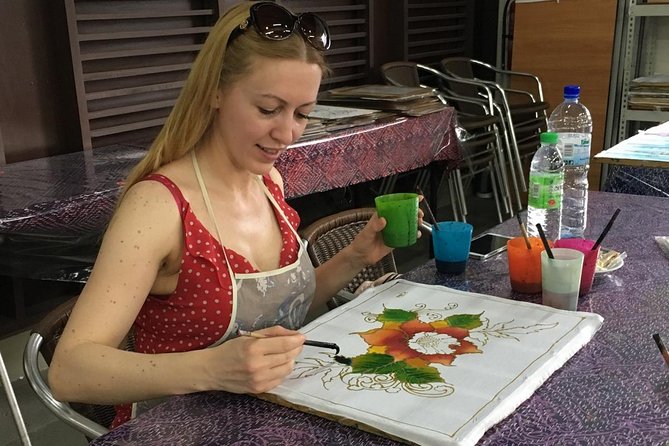
- Design templates and color choices so your batik doesn’t rely on being an artist
- A real take-home project like a scarf or handkerchief, not just a demo
- Snacks and bottled water included so you can focus on creating
- Drying time matters if you want a fully finished, washable result
A downtown KL studio that makes batik feel manageable
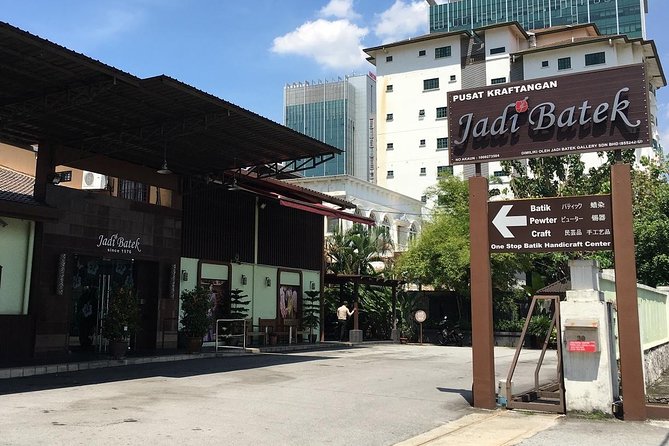
This class happens in the Jadi Batek studio area in central Kuala Lumpur, around Jalan Inai in Imbi. It’s an indoor, hands-on workshop style setup, and you’ll likely find it comfortable for a hot day since the focus stays on making, not touring outdoors.
You also don’t need to hunt for the experience. You start at the studio and end right back there, so you can plan your day around a simple two-hour window. It’s also a private activity, meaning it’s just your group, not a big mixed crowd where you have to fight for attention.
Wax, dye and pewter, more maker sessions
Start at Jadi Batek: what the studio day feels like
When you arrive, the team brings you into the batik world with an intro to the history and traditional process. The goal here is to give you enough context to understand what you’re doing as you work, not to overload you with facts.
After that, the class turns practical. You’ll sketch your batik scarf design first. In real time, you’ll get inspiration and templates, which is a big help if you’re blanking on what to draw. The studio environment also makes it easy to watch the craft happen alongside your own work, and you may see artists hand-draw motifs depending on what’s going on during your session.
From sketch to motif: choosing a design that fits your style
The design stage is where the class becomes personal. You can work from templates and choose from many available motifs, or you can set your own direction with a sketch approach. Either way, you’re building a plan for what the wax will protect and what the dye will bring to life.
This matters more than it sounds. Batik looks the way it does because the wax-resist pattern controls where color lands. If your sketch is clear and confident, the rest of the class feels smoother. If you rush the sketch, the wax step can feel like it’s fighting your plan.
Canting hot wax: the step that people talk about
Next comes the signature tool: a traditional canting. This is used to apply hot wax onto your drawn motif so it acts as a resist layer for coloring. You’ll be guided on how to use it, but you’ll still be doing the work yourself, which is what makes the experience satisfying.
The wax application is also the part where you’ll notice the need for patience and steady movement. The result is delicate, and the process can feel more technical than a casual craft. If you can manage calm focus for a short while, you’ll pick it up.
Practical tip: treat this as a slow skills step, not a race. Your goal isn’t perfect lines on the first try. Your goal is learning how the wax-resist method works in practice.
Coloring with dyes: where your choices really show
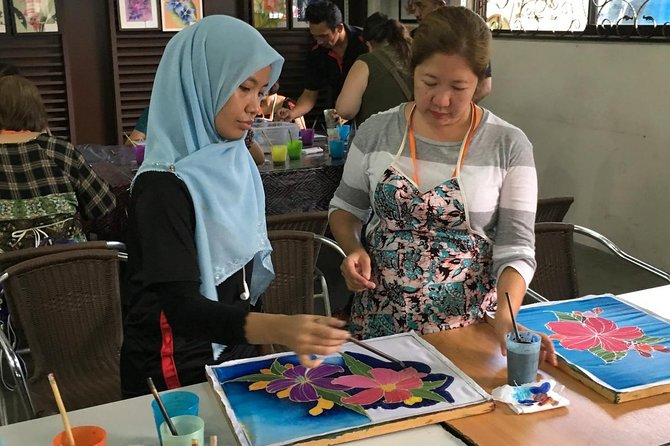
After the wax stage, you move into coloring. You’ll paint the fabric with the available fabric dyes in the workshop. You can usually follow suggested colors, but you can also mix custom colors if you want a more personal palette.
This is the fun part. Once wax has done its job, the dye turns your plan into visible contrast and pattern. You’ll get the satisfaction of watching your design come together without needing to be “good at art” beforehand.
Another practical note: even if painting looks easy, your choices affect the final look. Strong color contrast can create bold sections, while softer shades can make a gentler pattern. If you’re unsure, pick a template-based direction first, then adjust color intensity as you go.



Drying, framing, and the take-home timing you should plan for
Now comes the part that can affect your schedule: drying and finishing.
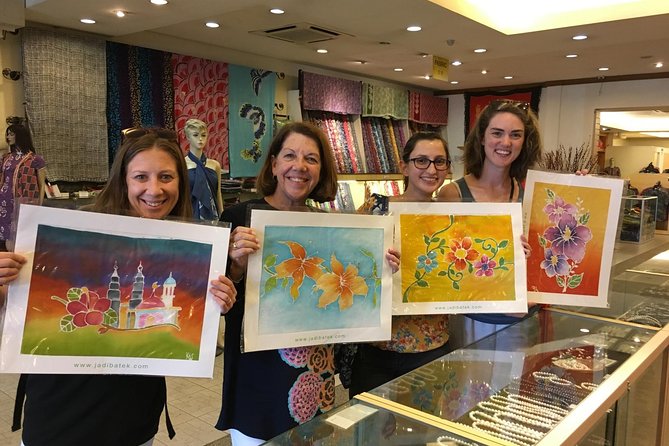
For a scarf-style finished piece, the class is designed to take you from sketch and wax through coloring, drying, and framing, with a typical completion around two hours. You should be able to take home a completed work at the end of your session.
For a handkerchief option, the pace changes. You’ll need to wait about 4 hours or come back the next day to collect the final piece once it’s fully finished and prepped for use. This isn’t just a courtesy delay; it’s about proper drying and preparation.
One more consideration: if you want a very specific finished look, such as removing wax to achieve crisp white outline effects, plan for extra time. Some people recommend allowing an additional day for that kind of finishing result. If you care about the exact final aesthetic, ask the team what your timeline needs to be before you start.
What’s included in the price (and what you might pay extra)
The price is $17 per person, and that’s where the value really shows. Your class includes tools, materials, GST, bottled water, and snacks. In other words, you’re not paying extra for basic supplies or getting a “light” experience where you only watch.
You do have a couple optional extras. If you want the edge sewn, there’s an additional RM10 charge. There’s also an optional courier service to your home, and the fee depends on your location.
Transportation isn’t included, so you’ll want to plan how you’ll get to the studio. The good news is it’s near public transportation, which helps keep the day simple.
Is this worth it for your budget and time?
At $17, you’re paying for a guided craft process plus a take-home textile souvenir. The real value isn’t just the scarf or handkerchief. It’s that you learn the wax-resist technique and you do the key steps yourself: sketching, wax application with canting, coloring with dyes, and then drying/finishing support.
If you’re the type who likes meaningful souvenirs, this fits. If you only want a cheap photo stop, it might feel like too much work. But if you enjoy crafts and don’t mind focused attention, it’s a strong deal for Kuala Lumpur.
Who this batik workshop fits best
This is a good match for people who:
- Want a beginner-friendly art experience with real instruction
- Prefer a calm, hands-on activity instead of big-city sightseeing
- Like making something you can use or display, not just buy and leave behind
- Are traveling with kids old enough for a craft workshop
One of the nicest parts is that the process can work across ages. The workshop is described as suitable for primary school age and up, and the tone of the class is often described as supportive and clear. If you’re looking for a therapeutic, slow-paced activity, this kind of wax-and-dye work can feel that way, especially once you’re past the first few minutes.
The one drawback I’d plan around
The class is hands-on, so it’s not fully passive. It requires steady hand control and concentration during the wax stage and some follow-through during painting. If you’re expecting something completely effortless, you may find it takes a bit more focus than a typical souvenir purchase.
Add drying timing to that, and the only real planning issue becomes this: if you need your finished item immediately, choose the scarf timeline rather than counting on a handkerchief pickup later.
Should you book this Malaysian batik experience?
If you want a creative souvenir that feels authentic and personal, I’d book it. The combination of step-by-step guidance, real tools like the canting, and your ability to choose a design and colors makes this more than a quick craft stop. It’s also reasonably priced considering you get materials, tools, snacks, and the finished result.
Book it especially if you’re in downtown KL for a short stay and you want one solid activity that doesn’t require prior art skills. Just plan your schedule with drying in mind, and if you have strong preferences about the final finish (like extra-day wax removal effects), ask what timing you need before you start.
If you tell me your travel dates and whether you’re leaning toward scarf or handkerchief, I can help you map the timing so the pickup lines up with your next plans.
FAQ
How long does the batik experience take?
It runs for about 2 hours. The exact timing for when you can take your piece home depends on whether you’re making a scarf-style finished item or choosing the handkerchief option.
Do I need any experience to make Malaysian batik?
No experience is required. The guide supports you from start to finish and helps you with the steps, from sketching through wax application, dye coloring, and finishing.
What do I get to take home?
You can create your own batik design to take home. The activity can result in a finished work around the end of the session, such as a scarf-style piece, or a handkerchief option that needs extra drying/collection time.
What’s the handkerchief timing?
If you choose the batik as a handkerchief, you need to wait about 4 hours, or come back the next day to collect the final artwork.
Are tools and materials included?
Yes. The class includes tools and materials, plus bottled water and snacks. It also includes GST in the listed price.
Are there optional add-ons?
Yes. There’s an option to sew the edge of the batik for RM10, and there’s an optional courier service to your home with a fee that depends on your location.
What if my plans change?
You can cancel for a full refund if you cancel at least 24 hours before the experience start time. If you cancel less than 24 hours before, the amount paid is not refunded.
Filed Under Kuala Lumpur
- Kuala Lumpur: Batu Caves Half-Day Tour with Pick-Up Option
★ 4.5 · 4,288 reviews - Private Half-Day Batu Caves and Cutural Tour in Kuala Lumpur
★ 5.0 · 3,107 reviews - Sambal Streets Kuala Lumpur Food Tour with 15+ Tastings
★ 5.0 · 2,438 reviews - Historical Malacca Guided Day Tour (Shared Tour)
★ 5.0 · 2,172 reviews
Made in KL, by You
- Batu Caves & Malaysian Handicraft Tour: Pewter & Batik Experience
★ 4.5 · 316 reviews - Batu Caves and Sari Experience with Batik Workshop
★ 5.0 · 181 reviews - LaZat Malaysian Cooking Class
★ 5.0 · 87 reviews - Malaysia Cooking Classes With Local
★ 5.0 · 87 reviews
Fresh Reviews from the Klang Valley
- Kuala Lumpur by Night: Food, Culture & City Lights Tour”
★ 4.5 · 3 reviews - Kuala Lumpur Customizable Tour
★ 5.0 · 3 reviews - National Zoo with Giant Panda
★ 3.5 · 3 reviews - Kuala Lumpur City to Kuala Lumpur International Airport Transfer
★ 5.0 · 3 reviews - Private Magical View With Petronas Tower & Cultural Dinner
★ 4.2 · 3 reviews
Batik & Pewter Workshops, compared.
 ★ 4.5Batu Caves & Malaysian Handicraft Tour: Pewter & Batik ExperienceFrom $29316 reviews
 ★ 5.0Batu Caves and Sari Experience with Batik WorkshopFrom $54181 reviews
 ★ 5.0LaZat Malaysian Cooking ClassFrom $13087 reviews
 ★ 5.0Malaysia Cooking Classes With LocalFrom $5987 reviews
 ★ 3.5Batu Caves and Malaysian Crafts Tour from Kuala LumpurFrom $2474 reviews
 ★ 5.0New Malaysian Kitchen Cooking Class and Garden TourFrom $15054 reviews
 ★ 5.0Market Visit & Private Hands-on Cooking Class at Daun SenjaFrom $13051 reviews
 ★ 5.0Batik Coloring Workshop by myBatikFrom $1648 reviews
Browse the lists this tour appears in