
Reviewed · BATIK & PEWTER WORKSHOPS
Market Visit & Private Hands-on Cooking Class at Daun Senja
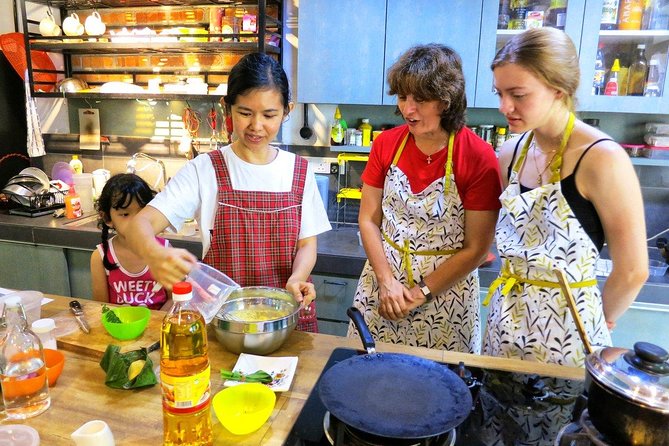
Shopping, cooking, and eating like a local. This private class in Kuala Lumpur pairs a real market visit with a hands-on lesson, guided by Patricia and Kingston in a family home setup. I love how much you can ask, because it’s just your group up to 5, not a crowded demo where you watch and hope for a moment.
The one thing to consider is that the wet-market stop doesn’t run on Mondays. Instead, you’ll start with breakfast at a local place, then head to the cooking portion.
In This Review
- Quick Why This Class Works
- Cheras at 8:00 am: why this starts where locals actually eat
- The wet market morning: picking ingredients and learning what matters
- At Daun Senja Kitchen: the private lesson rhythm (and how it feels)
- Your menu choices: three Malaysian sets, each with a payoff
- Option 1: Chicken Pong Teh + eggplant sambal + pulut inti
- Option 2: Nasi Lemak + pineapple-cucumber salad + sago gula melaka
- Option 3: Chicken Curry + roti jala + ondeh ondeh
- Hands-on cooking techniques: what you’ll actually practice
- The final meal: a true three-course lunch (with a drink)
- Price and value: $130 for a morning you can repeat
- Who this is best for (and who might pass)
- Quick tips before you go
- FAQ
- What time does the class start?
- Is this a private cooking class?
- Is there a market visit?
- What dishes do you cook?
- What do you eat at the end?
- What if I book and need to cancel?
- Should you book Daun Senja’s market visit and private cooking class?
Quick Why This Class Works
- Private group size (up to 5) means more hands-on time and more answers to your questions
- Market ingredient picking helps you understand what drives the flavors
- Wet market + local breakfast gives you context before you cook
- Three different menu choices let you match the dishes you’re most excited about
- A 3-course meal with wine or beer turns the session into a full morning meal, not just a cooking workshop
Cheras at 8:00 am: why this starts where locals actually eat
This experience begins early, around 8:00 am, and that matters. You’re heading into Kuala Lumpur’s everyday food rhythm before the city’s in full motion. The meeting point is Taman Suntex, 43200 Cheras, Selangor, and the day ends back at that same point.
What I like most about the timing and the setting is that the morning isn’t treated like a “tour stop.” It’s treated like breakfast first, shopping second, cooking third. If you enjoy food travel that feels like you’re tagging along with a competent friend, this format works.
The other practical piece: Cheras isn’t central KL. One review-style takeaway I’d repeat to you is to plan for the trip time. If you’re staying downtown, a ride like Grab is an easy fix, and it keeps your morning stress low.
Learn the rempah properly, more kitchens
The wet market morning: picking ingredients and learning what matters
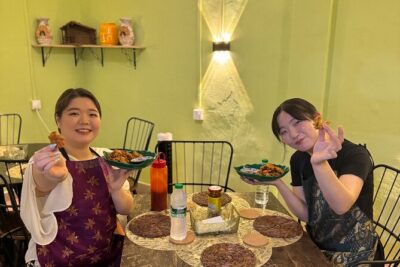
Your first real step is a local wet market stop (it runs all days except Monday). You’ll go in to select ingredients for the dishes you’ll cook later, and you’ll also get local breakfast from food stalls.
Why this part is more valuable than it sounds: cooking classes often jump straight to a recipe, but Malaysian cooking is ingredient-driven. Market shopping forces you to look at what you’re using and why. You’ll notice how vegetables, herbs, and pantry basics show up differently across the dishes—especially when a sambal, a noodle-like dessert, or a curry are all competing for flavor.
On Mondays, the wet market step changes. You’ll still eat breakfast, but it shifts to a small local restaurant before moving on to Patricia’s home for cooking. That’s not a downgrade so much as a different route to the same goal: start with real food, then build skills.
If you’re the type who likes asking questions—about what to buy, what to substitute, or how ingredients behave once heated—this market portion is where you’ll get the most payoff.
At Daun Senja Kitchen: the private lesson rhythm (and how it feels)
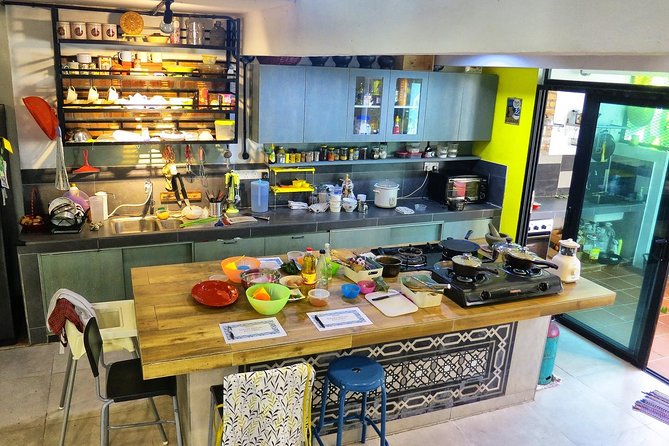
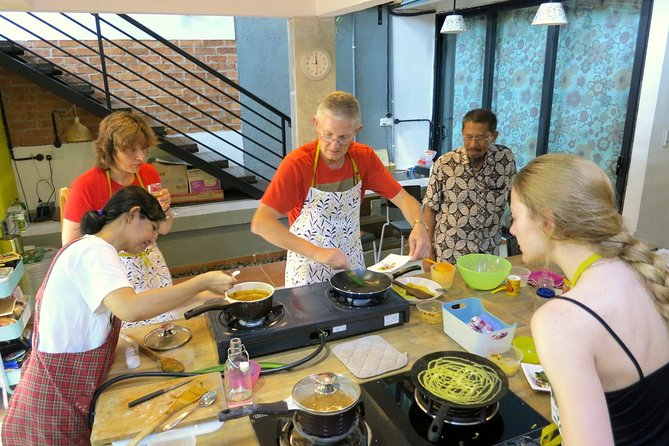
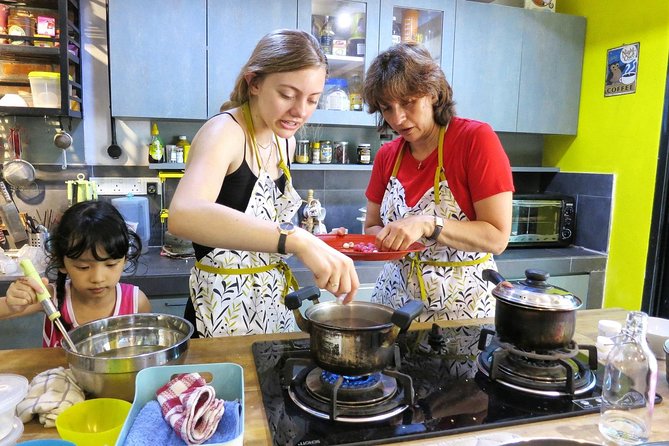
After the market and breakfast, you move to Daun Senja Kitchen, which is run like a home lesson more than a studio class. The experience is explicitly private for your party (up to 5), so expect instruction to be more like coaching than lecturing.
Here’s the rhythm you should anticipate:
- You’ll cook together at your own pace, with step-by-step guidance
- You’ll be able to ask questions without waiting your turn
- You’ll get explanations tied to what you’re doing right then (like why a sauce thickens, or what changes when you fry or simmer)
This format is ideal if you’re not an expert. Even if you are, the market-to-kitchen approach helps you connect technique to ingredients. I also like that the teaching style is described as calm and patient, which matters when you’re learning new methods under time pressure.
One note for your expectations: this isn’t a “watch the chef, take a few photos” situation. You should plan to be active—washing, mixing, stirring, assembling. If you want a mostly observational tour, you might find it less satisfying than something with more sitting and watching.
Your menu choices: three Malaysian sets, each with a payoff
You’ll choose from one of three menu options. Each option is built as a full set: one main plate plus sides and dessert, which is a nice way to learn how different Malaysian flavors play off each other.
Option 1: Chicken Pong Teh + eggplant sambal + pulut inti
- Chicken Pong Teh (served with rice)
- Eggplant Sambal
- Pulut Inti
This option is a great fit if you want a “warm-and-cozy” meal with contrast: a savory rice dish, a sambal side for heat and tang, and a dessert that feels more comforting than overly light.
Wax, dye and pewter, more maker sessions


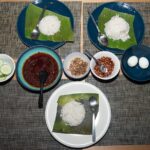
Option 2: Nasi Lemak + pineapple-cucumber salad + sago gula melaka
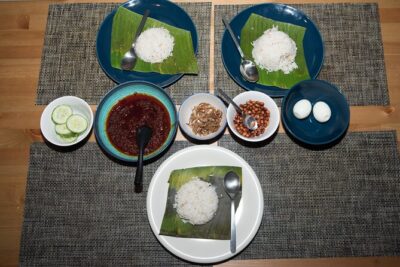
- Nasi Lemak
- Pineapple and Cucumber Salad
- Sago Gula Melaka Pudding
If you like a classic Malaysian flavor profile, this one is hard to beat. Nasi lemak is often a centerpiece dish, and pairing it with a fresh salad and a sweet pudding teaches you how sweet, salty, and refreshing balance in one meal.
Option 3: Chicken Curry + roti jala + ondeh ondeh
- Chicken Curry
- Roti Jala
- Ondeh Ondeh
Choose this if you’re curious about texture and technique. Roti jala has a distinctive lace-like look, and learning to make it can be a fun skill to bring home. Ondeho-style desserts also bring a fun challenge and a sweet finish.
No matter which option you pick, the best move is to tell your instructor what you like and what you’re avoiding (very spicy, specific allergies). The private setup means those adjustments are more realistic than in big groups.
Hands-on cooking techniques: what you’ll actually practice
Even with different menus, the “hands-on” part usually means you’ll practice the core moves behind Malaysian home cooking:
- Building flavor in stages: starting with aromatics or key ingredients, then moving toward sauces and seasonings
- Controlling heat for texture: curry thickness, sambal consistency, or how a dessert sets
- Timing so everything finishes together: cooking multiple items in the same morning forces you to think like a home cook
- Assembly and finishing: plating and serving, so the meal feels complete, not like separate dishes cooked at random
I especially like that you can connect ingredient choice to outcome. A market visit plus a cooking lesson is the practical learning combo: you’re not just memorizing steps, you’re understanding how the ingredients behave.
Also, you should expect this to feel friendly. Reviews emphasize a welcoming, family-like tone, and the hosts are described as kind, funny, and easy to talk to. That matters because good cooking instruction is half technique and half comfort.
The final meal: a true three-course lunch (with a drink)
Once the cooking is done, you eat what you made: a 3-course meal plus a glass of wine or beer. That’s a smart detail. A lot of cooking classes end after plating, but here the meal is part of the experience. You’re not just practicing—you’re tasting the results as a full course set.
This is also where you’ll learn what to remember for home cooking. If you make the chicken curry, you’ll be tasting acidity, sweetness, and spice balance. If you make Nasi Lemak, you’ll notice how rice, toppings, and sides build together.
And if you’re traveling with family: at least one review notes it worked well with kids present (a 2-year-old in the group). That suggests the home setting isn’t rigid, though of course you should still use your own judgment based on your child’s comfort around food prep.
Price and value: $130 for a morning you can repeat
At $130 for a private class (up to 5 people), the value depends on your group size. If you go with 4–5 people, you’re effectively paying a much lower per-person rate than the “private” label might suggest—while still getting the market stop, hands-on coaching, and a sit-down 3-course meal with a drink.
For me, the value question isn’t just cost. It’s what’s included:
- Market ingredient selection
- Local breakfast
- Hands-on cooking instruction
- 3-course meal
- Wine or beer
- Private time with your instructor
That’s a lot to pack into about 4 hours 30 minutes. If you’d rather spend money on one meaningful food morning than multiple cheaper, shorter experiences, this is the kind of option that tends to feel worth it.
Who this is best for (and who might pass)
This tour fits you well if:
- You want a private cooking class, not a big-group workshop
- You enjoy markets and learning what ingredients actually look like
- You want to cook Malaysian dishes you can realistically recreate at home
- You like food instruction with plenty of chances to ask questions
I’d reconsider if:
- You don’t want a morning that includes active cooking work (it’s hands-on)
- You dislike traveling slightly outside central KL for a morning start
- You’re expecting only restaurant-style descriptions with no market selection
Quick tips before you go
- Wear comfortable clothes you can cook in (you’ll be working at the kitchen station).
- Bring your curiosity. The most useful part is how the instructor connects ingredients to flavor.
- If you have dietary needs, mention them ahead of time so you’re not guessing during cooking.
- If you’re going on a Monday, go in knowing the wet market step switches to breakfast at a local restaurant route.
FAQ
What time does the class start?
It starts at 8:00 am and runs for about 4 hours 30 minutes.
Is this a private cooking class?
Yes. It’s private for your group (up to 5 people), so you don’t share the lesson with strangers.
Is there a market visit?
Yes, you’ll visit a local wet market and select ingredients before cooking, except on Mondays.
What dishes do you cook?
You cook based on one of three menu options:
Option 1 includes Chicken Pong Teh, eggplant sambal, and pulut inti.
Option 2 includes Nasi Lemak, pineapple and cucumber salad, and sago gula melaka pudding.
Option 3 includes chicken curry, roti jala, and ondeh ondeh.
What do you eat at the end?
You’ll enjoy a 3-course meal afterward, with a glass of wine or beer included.
What if I book and need to cancel?
You can cancel for a full refund up to 24 hours before the experience starts. Confirmation is received within 48 hours of booking (subject to availability). A mobile ticket is used.
Should you book Daun Senja’s market visit and private cooking class?
If you want a Malaysian food morning that feels like learning from a family friend, this is a great choice. The combo of market shopping + hands-on cooking + eating what you made is exactly how you build real confidence with dishes like Nasi Lemak, roti jala, chicken curry, sambal, and the desserts.
Book it if your goal is skill and understanding, not just a meal. If you’re okay with a slightly early start and getting to Cheras, you’ll likely come away with recipes you can actually repeat at home—and a better sense of what ingredients do once the heat hits.
Filed Under Kuala Lumpur
- Kuala Lumpur: Batu Caves Half-Day Tour with Pick-Up Option
★ 4.5 · 4,288 reviews - Private Half-Day Batu Caves and Cutural Tour in Kuala Lumpur
★ 5.0 · 3,107 reviews - Sambal Streets Kuala Lumpur Food Tour with 15+ Tastings
★ 5.0 · 2,438 reviews - Historical Malacca Guided Day Tour (Shared Tour)
★ 5.0 · 2,172 reviews
Made in KL, by You
- Batu Caves & Malaysian Handicraft Tour: Pewter & Batik Experience
★ 4.5 · 316 reviews - Batu Caves and Sari Experience with Batik Workshop
★ 5.0 · 181 reviews - LaZat Malaysian Cooking Class
★ 5.0 · 87 reviews - Malaysia Cooking Classes With Local
★ 5.0 · 87 reviews
Rempah Homework
- LaZat Malaysian Cooking Class
★ 5.0 · 87 reviews - Malaysia Cooking Classes With Local
★ 5.0 · 87 reviews - New Malaysian Kitchen Cooking Class and Garden Tour
★ 5.0 · 54 reviews - Malaysian Hands-On Cooking Class : Masala Medley
★ 5.0 · 24 reviews
Fresh Reviews from the Klang Valley
- Kuala Lumpur by Night: Food, Culture & City Lights Tour”
★ 4.5 · 3 reviews - Kuala Lumpur Customizable Tour
★ 5.0 · 3 reviews - National Zoo with Giant Panda
★ 3.5 · 3 reviews - Kuala Lumpur City to Kuala Lumpur International Airport Transfer
★ 5.0 · 3 reviews - Private Magical View With Petronas Tower & Cultural Dinner
★ 4.2 · 3 reviews
Batik & Pewter Workshops, compared.
 ★ 4.5Batu Caves & Malaysian Handicraft Tour: Pewter & Batik ExperienceFrom $29316 reviews
 ★ 5.0Batu Caves and Sari Experience with Batik WorkshopFrom $54181 reviews
 ★ 5.0Malaysia Cooking Classes With LocalFrom $5987 reviews
 ★ 5.0LaZat Malaysian Cooking ClassFrom $13087 reviews
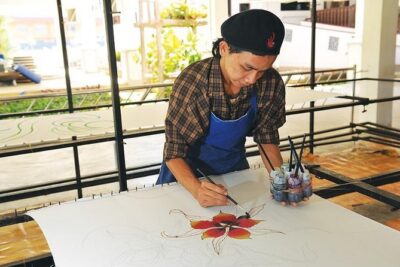 ★ 3.5Batu Caves and Malaysian Crafts Tour from Kuala LumpurFrom $2474 reviews
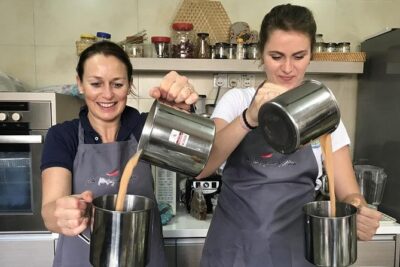 ★ 5.0New Malaysian Kitchen Cooking Class and Garden TourFrom $15054 reviews
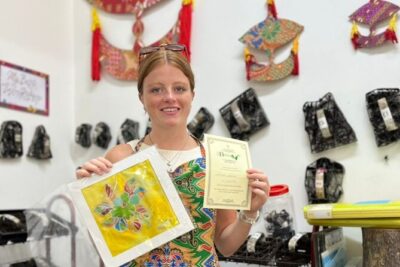 ★ 5.0Batik Coloring Workshop by myBatikFrom $1648 reviews
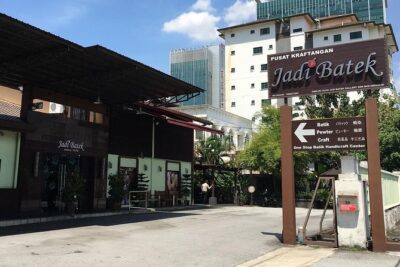 ★ 5.0Malaysian Batik Experience-HandkerchiefFrom $1737 reviews
Browse the lists this tour appears in