
Reviewed · BATIK & PEWTER WORKSHOPS
Malaysian Hands-On Cooking Class : Masala Medley
You cut, stir, and taste your own masala. This hands-on class puts you at your own stove in Kuala Lumpur, just up the stairs above a local bakery near Jalan Imbi.
I love that it’s built for learning by doing, not watching. You’re cooking your way through Indian and Malaysian flavors right in the heart of Bukit Bintang.
The other thing I like: you start with spice basics, then move into full recipes you’ll actually want to repeat at home. Expect training on how spices work together—then you’ll make masala chai from scratch and a dessert like kesari to finish.
One consideration: the class is listed as about 3 hours, but like any small workshop, pacing can vary by day. If you’re tight on time, give yourself a little buffer around the session.
In This Review
- Key things to know before you go
- Cooking Your Way Through Bukit Bintang and Jalan Imbi
- Your Own Gas Stove, Tools, and Counter Space (No Watching)
- Spice Orientation and Tempering Lessons You’ll Use Again
- Pakora First: Crisp Appetizers and Early Wins
- Chicken Curry With Basmati Rice and Cucumber Pachdi
- Kesari Dessert: A Comfort Finish You Can Actually Replicate
- Masala Chai Brewed From Scratch (The Warm Wrap-Up)
- What You Take Home: Recipes, Photos, Certificate, Door Gift
- How Much Time and Money You’re Really Spending
- Who Should Book Masala Medley (And Who Might Want a Plan B)
- Should You Book Masala Medley Cooking Class?
- FAQ
- Is the Masala Medley class a hands-on workshop or a demo?
- How long is the cooking class in Kuala Lumpur?
- What dishes do I make during the class?
- Where is the meeting point?
- What is included in the price?
- Can I cancel for a full refund?
Key things to know before you go
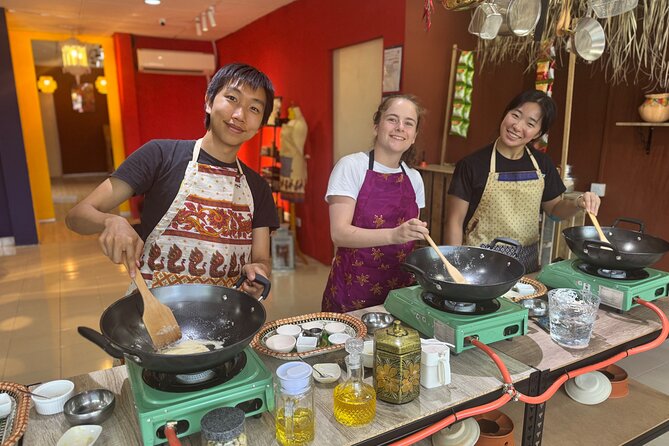
- Your own cooking station: gas stove, counter space, and a full set of tools for each guest.
- Four-dish structure: pakora appetizer, chicken curry main, kesari dessert, plus masala chai.
- Spice-focused start: you get an orientation to aromas and how Malaysian/Indian spices are used.
- Small group size: maximum of 12 travelers, so questions don’t get lost.
- Take-home goodies: photo time, participation certificate, door gift, and a digital recipe booklet.
Cooking Your Way Through Bukit Bintang and Jalan Imbi
Kuala Lumpur has food everywhere, but this class gives you something different. Instead of chasing plates around the city, you learn how the flavors are made. And it happens in a practical location: First Floor, 76A, Jln Imbi, Bukit Bintang—near public transportation, so you’re not stuck planning a private ride just to cook.
The setting is a cozy studio up above a local bakery, which helps the whole thing feel like a real neighborhood activity. You’ll get a warm welcome, put on an apron, and then you’re off to workstations where you’ll be actively cooking.
I like that it’s designed for beginners without being boring. You don’t need fancy skills. You just need curiosity and a willingness to chop, stir, taste, and adjust as you go.
Learn the rempah properly, more kitchens
Your Own Gas Stove, Tools, and Counter Space (No Watching)
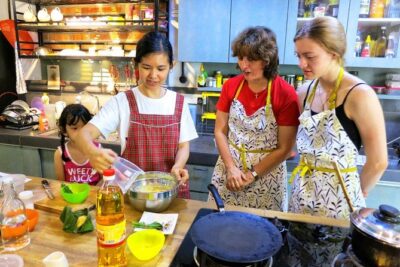
In a lot of cooking classes, you do the fun part—standing nearby and taking photos—while someone else does the heavy lifting. This one runs differently. Each guest gets their own gas stove, counter space, and full set of cooking tools, so you’re not stuck waiting for your turn.
That setup changes the whole value. You’ll be able to repeat the recipes later because you learn the sequence of steps firsthand. Also, if you’re traveling as a couple or small group, you can actually share the workload and talk while you cook instead of competing for attention.
The class size stays small, capped at 12 travelers. That matters more than people think. When you have the same instructor from start to finish, you can ask the little questions that make a difference—like what to smell for, when to add spices, or how the texture should look.
Spice Orientation and Tempering Lessons You’ll Use Again
Before any food hits the plate, you start with spices. You’ll get a quick orientation to essential Malaysian spice ingredients—how they’re used, what their aromas signal, and how they bring dishes to life. This is the part that helps you move beyond memorizing recipes.
Tempering spices (the process of warming spices in oil or fat so they bloom) is mentioned as a key skill you’ll learn. Even if you’ve cooked before, this kind of lesson is useful because it changes how your curry base tastes. Instead of throwing ingredients in and hoping for the best, you start to understand why timing and heat matter.
One detail I’d pay attention to: the instructor shows and explains spices, including how packages look and what those spices should smell like. That means you’re not just learning food; you’re learning ingredients.
The best skill you’ll walk away with is recognizing how the dish should start smelling as it cooks. If your kitchen smells off, you’ll know what to adjust next time.
Pakora First: Crisp Appetizers and Early Wins
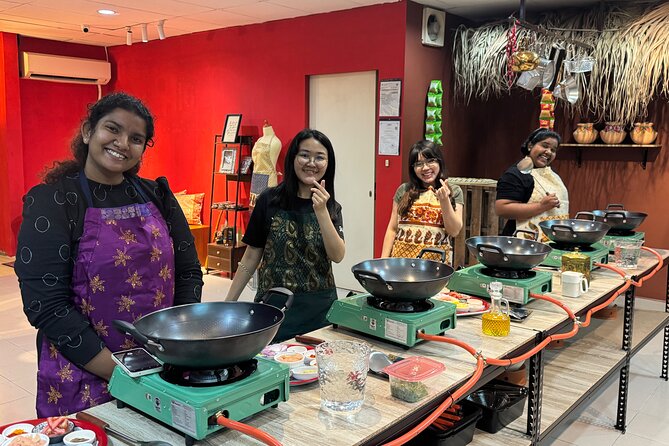
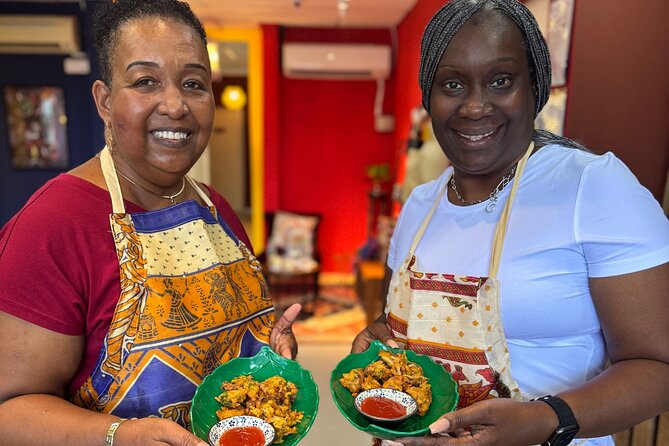
The class begins with an appetizer: pakora, a crispy vegetable fritter. Starting here is smart. You get a quick win while you’re still getting comfortable with your station and tools.
You’ll work through prep and cooking steps yourself, and you’ll learn how to shape and cook fritters so they turn crisp instead of soggy. It’s also a great dish for beginners because it teaches basic rhythm: prep, cook, taste, adjust.
You’ll eat what you make right away, so you can connect flavor to technique immediately. That immediate feedback loop is one reason this type of workshop works better than cooking classes that end at the chopping stage.
Chicken Curry With Basmati Rice and Cucumber Pachdi
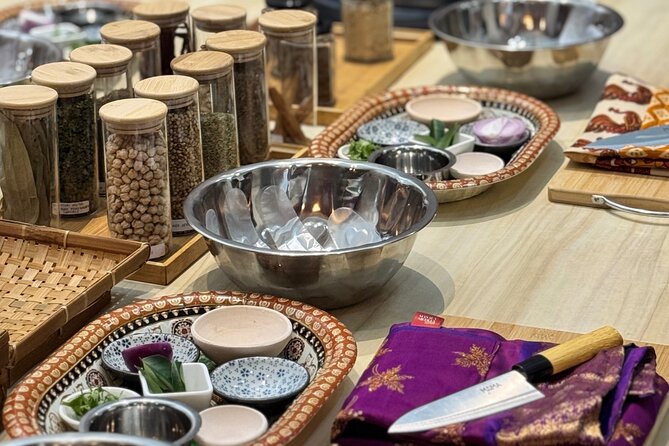
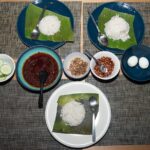
Next comes the main course: chicken curry, paired with fragrant basmati rice and cucumber pachdi. This is where Malaysian home-style cooking feels practical—layered, not complicated.
You’ll be guided step-by-step at your own stove. The curry portion is especially valuable if you’ve ever made curry powder without really understanding how the base comes together. The class emphasizes learning masalas (spice blends) and building them with technique, not just dumping seasonings.
With basmati rice, the key is texture and fragrance. The class pairing matters because you learn how the rice supports the curry rather than competing with it. And cucumber pachdi adds cooling contrast, which helps the spice and richness feel balanced instead of heavy.
The “learning by doing” aspect really shows here. You’ll see how adjustments in heat and timing affect the curry’s final thickness and smell. That’s the kind of lesson you can’t fully get from a recipe card.
Wax, dye and pewter, more maker sessions

Kesari Dessert: A Comfort Finish You Can Actually Replicate
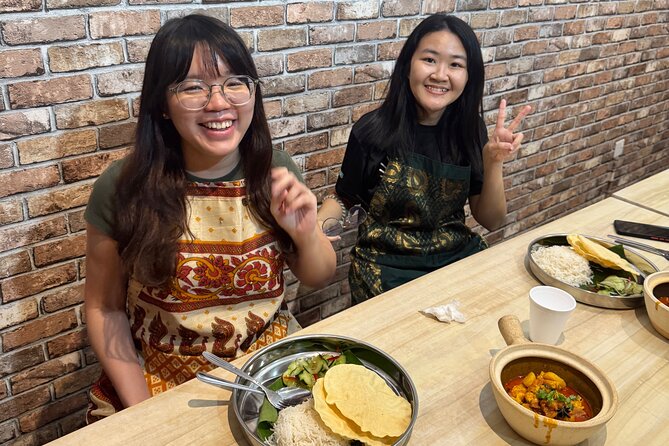
After the savory dishes, you’ll make kesari, an Indian dessert. Dessert classes can be hit-or-miss, but kesari is a great choice because it’s comforting and rewarding when done right.
You’ll get guidance for this stage too, and you’ll be able to taste the result while the ingredients are still fresh and warm. That’s part of the value: you’re not just learning cooking steps; you’re learning how the finished dish should feel and taste.
If you like food that’s sweet but not complicated, kesari is a nice closure. It also helps you understand how spices and flavor cues carry over from savory cooking into dessert.
Masala Chai Brewed From Scratch (The Warm Wrap-Up)
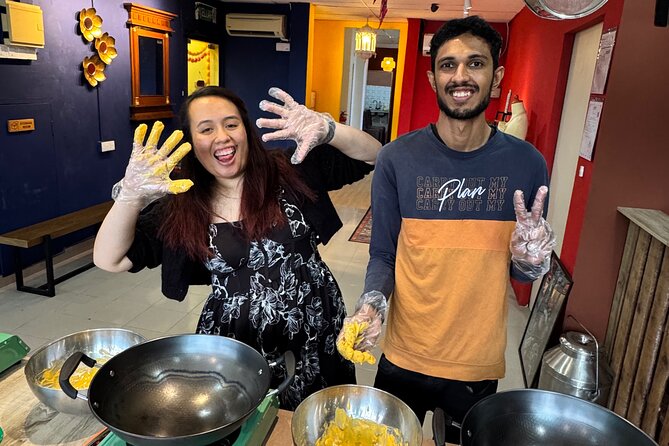
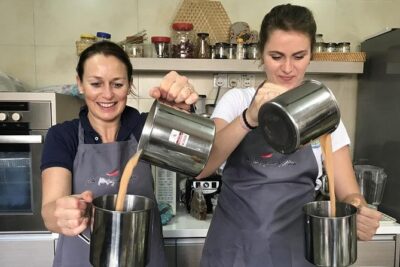
To finish, you’ll make masala chai brewed from scratch. Chai can sound simple, but “from scratch” signals that you’ll learn the process rather than just reheat something.
This final cup matters because it ties the class theme together. Spices aren’t only for curry. They’re also for comfort drinks, and the heat and blending are part of the flavor.
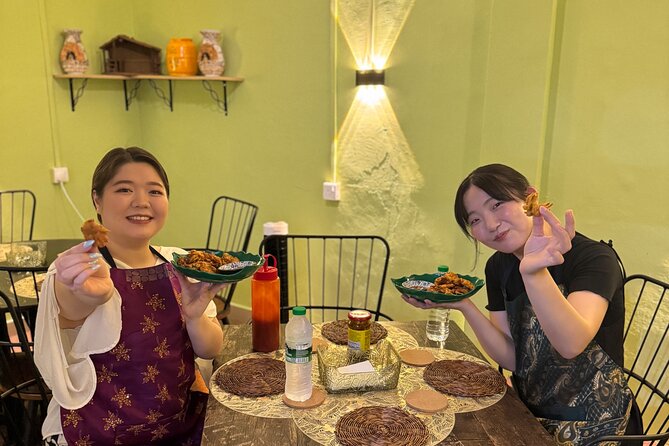
You’ll walk away with a mental map for how spices change a beverage—what to watch for and how the aroma should develop. Then you’ll get your photos and leave with a certificate, door gift, and a digital recipe booklet so you can recreate the chai at home.
What You Take Home: Recipes, Photos, Certificate, Door Gift
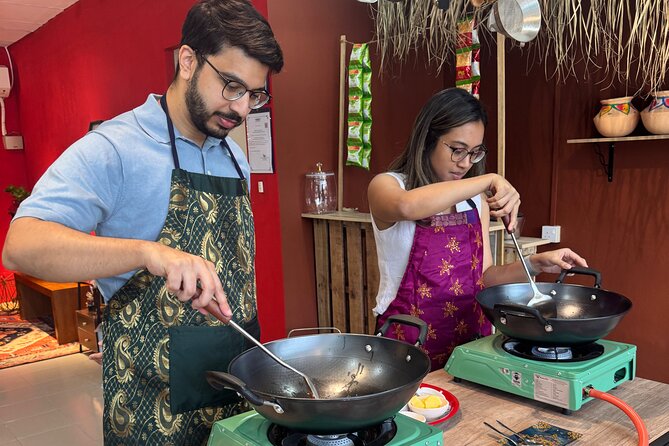
A cooking class should do more than fill your stomach. This one includes several take-home items that make it easier to remember what you made.
You’ll get a photo session as part of the experience. There’s also a participation certificate, plus a door gift. And the most practical item is the digital recipe booklet, which helps you recreate each dish later instead of relying on memory.
If you’re the type who forgets details like which spice went in first, that booklet becomes your cheat sheet. Even if you don’t follow it perfectly, it helps you check your own instincts when you’re cooking again.
How Much Time and Money You’re Really Spending
Price is $66.99 per person for about 3 hours (approx.). On paper, that can sound steep until you look at what’s included.
You’re not just tasting. You’re cooking. The class includes meals, bottled water, coffee and/or tea, and snacks. You also get the full setup: gas stove, counter space, and tools for every guest. Add the fact that group size maxes at 12, and you’re getting hands-on instruction instead of a fast walkthrough.
Also note what’s not included: transport before and after class. The meeting point is near public transportation, so in practice you’ll likely use transit to get there and back, but you’ll need to handle that yourself.
If you’re booking with friends, the cost can feel more fair. But even solo, you’ll likely get your money’s worth because the structure pushes you to cook every dish yourself.
Who Should Book Masala Medley (And Who Might Want a Plan B)
This class is a great fit if you:
- want a hands-on cooking experience in Kuala Lumpur (not a spectator activity)
- are a beginner who needs guidance on spices and technique
- care about learning spice behavior and not just copying recipes
- enjoy the comfort side of Indian cuisine (chai and kesari are a strong finish)
You might want a plan B if:
- you have a rigid schedule and cannot handle a session that runs shorter than expected
- you expect every tiny component to be fully cooked by you with zero prep done ahead of time (workshops sometimes prepare certain elements in advance to keep things moving)
There’s one more practical note. The class includes a four-dish format (pakora, chicken curry with rice and cucumber pachdi, kesari, and masala chai). If you’re comparing class listings, make sure the menu matches your expectations for what you want to cook.
Should You Book Masala Medley Cooking Class?
I’d recommend booking Masala Medley if your goal is to leave with real cooking skills and a recipe system you can repeat at home. The strongest part is the hands-on format: your own stove and tools, structured teaching on spices, and a full meal you make yourself.
If you’re coming to Kuala Lumpur mainly for food and want one experience that turns into lifelong cooking confidence, this fits well. If you’re only looking for a quick taste with minimal effort, then you may want a different type of food activity.
For me, the decision comes down to one question: do you want to cook? If yes, this class is a solid value and a fun use of your time in Bukit Bintang.
FAQ
Is the Masala Medley class a hands-on workshop or a demo?
It’s hands-on. Each guest has their own gas stove, counter space, and full set of cooking tools, and you prepare the dishes yourself during the session.
How long is the cooking class in Kuala Lumpur?
The duration is about 3 hours (approx.).
What dishes do I make during the class?
You’ll prepare pakora (vegetable fritter) as an appetizer, chicken curry with basmati rice and cucumber pachdi, kesari as a dessert, and masala chai brewed from scratch.
Where is the meeting point?
Meet at First Floor, 76A, Jln Imbi, Bukit Bintang, 55100 Kuala Lumpur, Wilayah Persekutuan Kuala Lumpur, Malaysia. The activity ends back at the meeting point.
What is included in the price?
The price includes meals, bottled water, coffee and/or tea, snacks, and the cooking setup for each guest (gas stove, counter space, and tools).
Can I cancel for a full refund?
Yes. Free cancellation is available up to 24 hours in advance for a full refund. If you cancel less than 24 hours before the start time, the amount you paid is not refunded.
Filed Under Kuala Lumpur
- Kuala Lumpur: Batu Caves Half-Day Tour with Pick-Up Option
★ 4.5 · 4,288 reviews - Private Half-Day Batu Caves and Cutural Tour in Kuala Lumpur
★ 5.0 · 3,107 reviews - Sambal Streets Kuala Lumpur Food Tour with 15+ Tastings
★ 5.0 · 2,438 reviews - Historical Malacca Guided Day Tour (Shared Tour)
★ 5.0 · 2,172 reviews
Made in KL, by You
- Batu Caves & Malaysian Handicraft Tour: Pewter & Batik Experience
★ 4.5 · 316 reviews - Batu Caves and Sari Experience with Batik Workshop
★ 5.0 · 181 reviews - LaZat Malaysian Cooking Class
★ 5.0 · 87 reviews - Malaysia Cooking Classes With Local
★ 5.0 · 87 reviews
Rempah Homework
- LaZat Malaysian Cooking Class
★ 5.0 · 87 reviews - Malaysia Cooking Classes With Local
★ 5.0 · 87 reviews - New Malaysian Kitchen Cooking Class and Garden Tour
★ 5.0 · 54 reviews - Market Visit & Private Hands-on Cooking Class at Daun Senja
★ 5.0 · 51 reviews
Fresh Reviews from the Klang Valley
- Kuala Lumpur by Night: Food, Culture & City Lights Tour”
★ 4.5 · 3 reviews - Kuala Lumpur Customizable Tour
★ 5.0 · 3 reviews - National Zoo with Giant Panda
★ 3.5 · 3 reviews - Kuala Lumpur City to Kuala Lumpur International Airport Transfer
★ 5.0 · 3 reviews - Private Magical View With Petronas Tower & Cultural Dinner
★ 4.2 · 3 reviews
Batik & Pewter Workshops, compared.
 ★ 4.5Batu Caves & Malaysian Handicraft Tour: Pewter & Batik ExperienceFrom $29316 reviews
 ★ 5.0Batu Caves and Sari Experience with Batik WorkshopFrom $54181 reviews
 ★ 5.0LaZat Malaysian Cooking ClassFrom $13087 reviews
 ★ 5.0Malaysia Cooking Classes With LocalFrom $5987 reviews
 ★ 3.5Batu Caves and Malaysian Crafts Tour from Kuala LumpurFrom $2474 reviews
 ★ 5.0New Malaysian Kitchen Cooking Class and Garden TourFrom $15054 reviews
 ★ 5.0Market Visit & Private Hands-on Cooking Class at Daun SenjaFrom $13051 reviews
 ★ 5.0Batik Coloring Workshop by myBatikFrom $1648 reviews
Browse the lists this tour appears in