
Reviewed · BATIK & PEWTER WORKSHOPS
Kuala Lumpur: Malaysian Cooking Class with Market Tour
Spices, stalls, and a meal you build yourself. This Kuala Lumpur class at LaZat Cooking starts with a TTDI Wet Market walk and ends with a 3-course lunch you can actually recreate. I like the way the market tour turns ingredients into something you understand, not just something you buy. I also like the teaching style from instructors like Saadiah, who connects dishes to culture and personal stories. One trade-off: the 8:30 AM start can feel early, and transport to the wet market (Pasar Besar TTDI) is on you.
You’ll cook in a small group, with your own setup of stove and utensils, so you’re not stuck watching while someone else does everything. The class uses fresh herbs and spices from local farms (and even a garden), and the founder’s approach is summed up by Ana’s motto: Massage your ingredients and fill them up with love. Still, if you’re short on time in Kuala Lumpur, plan your day around this long 330-minute format.
In This Review
- Key points to know before you go
- TTDI Wet Market: your ingredient education starts at street level
- The one thing to watch
- LaZat Cooking School: hands-on gear and a small-group rhythm
- Language and group vibe
- Building a Malaysian 3-course lunch: what you’ll cook and why it matters
- The menu examples you might see
- Dessert matters more than you think
- Snacks, coffee, and tea
- Cooking the traditional way: Ana’s philosophy and Saadiah’s storytelling
- Safety and pacing you can feel
- Timing, transport, and what your day will feel like
- The option to skip the market
- Price and value: is $149 for this class worth it?
- Who will likely love it most
- Should you book LaZat’s Malaysian Cooking Class with Market Tour?
- FAQ
- Where do I meet for the market tour?
- What time does the market tour start?
- Can I join without doing the market tour?
- How long is the experience?
- What’s included in the class?
- What is not included?
Key points to know before you go
- TTDI Wet Market first: you learn what to buy and why, before you touch the stove
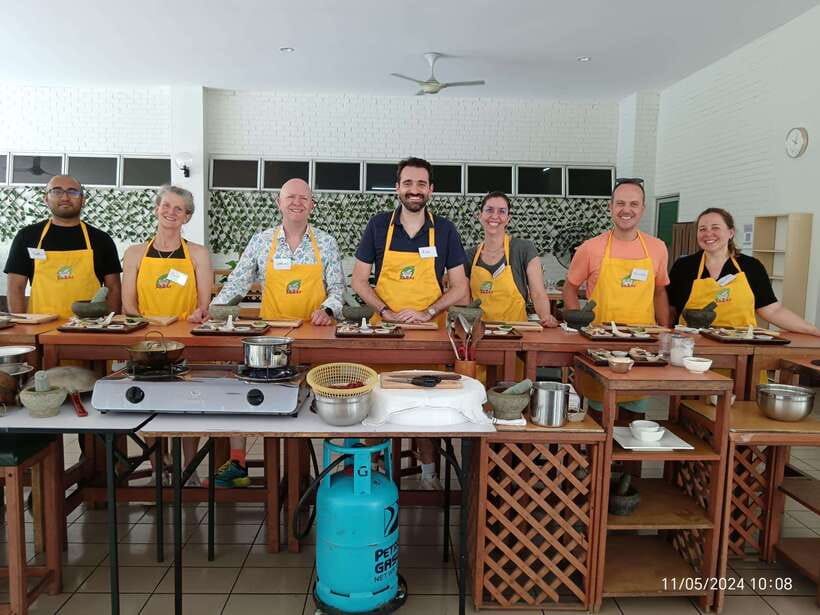
- Your own cooking station: gas burner, countertop, utensils, traditional tools, and a mortar & pestle
- 3 courses you make: appetizer, main, and dessert for the lunch you eat
- Ethnic menus change: each day features a different menu, so you’ll likely cook different dishes across repeat visits
- English, Malay, and Chinese support: instructors can explain steps in multiple languages
- Small-group pace with safety in mind: one review highlights how hosts keep both enjoyment and safety front and center
TTDI Wet Market: your ingredient education starts at street level
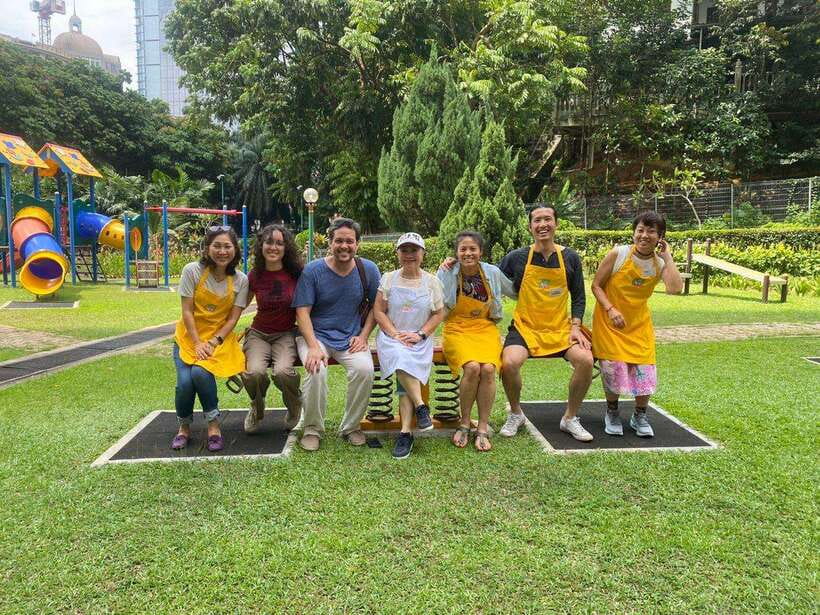
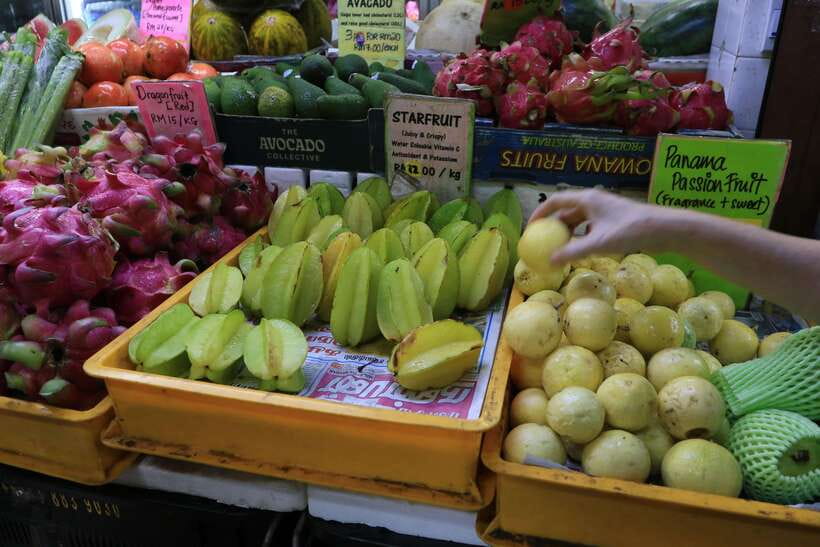
The morning begins at TTDI Wet Market (Pasar Besar TTDI). Your meeting point is at the entrance facing Jalan Wan Kadir, with a rep waiting to get you started. The idea is simple and smart: Malaysian cooking makes more sense when you’ve seen the real ingredients up close. Instead of vague spice jars or random supermarket packets, you’re looking at produce, herbs, and market staples in the context of how they’re actually used.
During the tour, you’re not just browsing. You’re learning the logic behind Malaysian flavors—things like how herbs are chosen, how aromatics work together, and why freshness matters for dishes that depend on fragrance as much as heat. That matters because Malaysian cooking often builds flavor in layers. If you understand the ingredient roles early, you’ll cook with more confidence later.
A detail I really like here is the social side. Reviews mention market guides with a good relationship with stall holders. That kind of access helps you ask questions and get practical explanations, not just a rushed walk-by. You might also pick up small tastes along the way. One person specifically called out roti canai from the morning market visit as a favorite part of the experience. Even if the exact tastings vary, the market energy is usually the same: you’re surrounded by the textures and smells that shape the food.
Learn the rempah properly, more kitchens
The one thing to watch
Because this tour starts at 8:30 AM, you should treat it like a planned morning, not a “maybe I’ll roll in” activity. If you’re flying in late or like long lie-ins, it may be a rough start. The good news is you can skip the market tour and join later—so you’re not locked into the early walk.
LaZat Cooking School: hands-on gear and a small-group rhythm
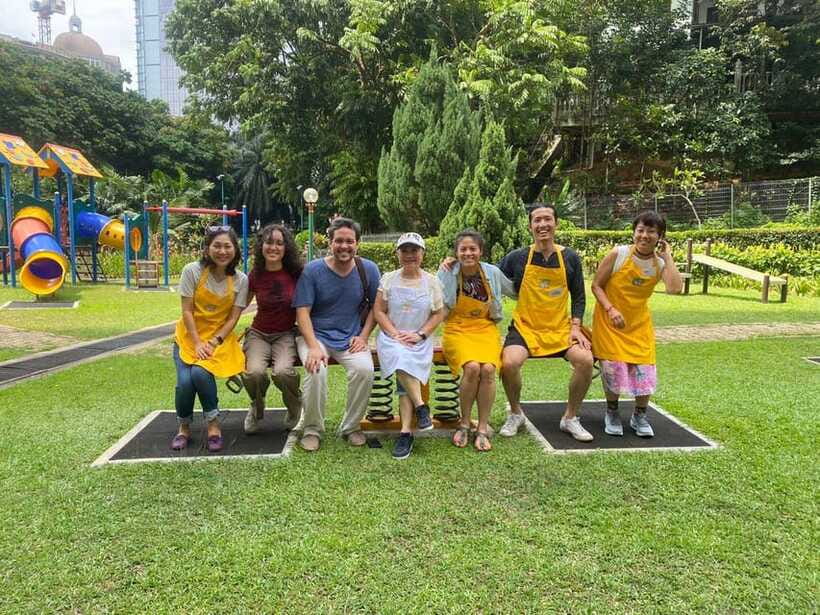
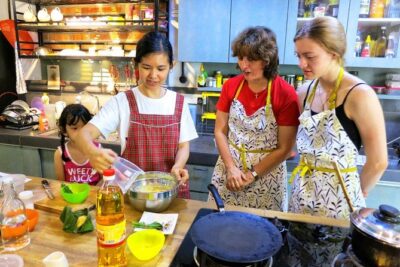
After the market, the group heads from the wet market to LaZat Cooking School. That transfer is included after the market tour, which saves you from figuring out how to get everyone to the kitchen. Once you’re there, you get your own individual cooking setup. That’s a big deal, because you’ll spend time learning steps at your own station instead of crowding around one shared stove.
Your included equipment list is specific:
- gas burner stove
- countertop
- cooking utensils
- traditional utensils
- mortar & pestle
That mortar & pestle detail is more than a throwback. A lot of Malaysian flavor comes from pounding and grinding—where aromatics loosen and mix more evenly. When you do it by hand in the way you’ll actually cook, you understand why certain pastes taste different and why some chili-lime-herb blends hit with a sharper aroma.
This is also where the “how” turns into confidence. Reviews praise the way the host and instructor manage both enjoyment and safety. In real cooking classes, safety is often treated like an afterthought. Here, it seems to be part of the rhythm, which means you can focus on learning instead of worrying about the stove or sharp tools.
Language and group vibe
Classes can be instructed in English, Malay, and Chinese. If you’re in Kuala Lumpur and your comfort language is one of those, you’ll likely get clearer explanations of technique, not just directions. And the group is small, so you’re not stuck waiting a long time for help when a sauce looks off or your paste feels too dry.
Building a Malaysian 3-course lunch: what you’ll cook and why it matters
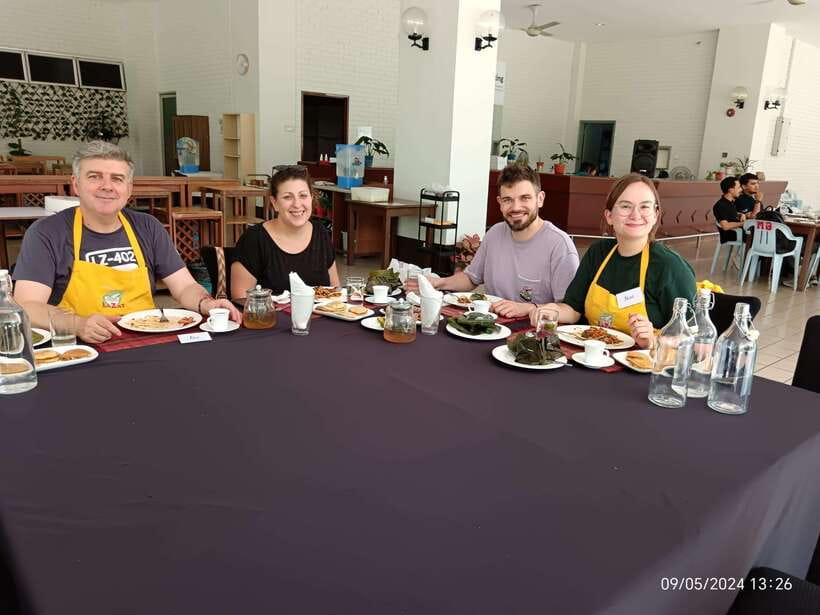
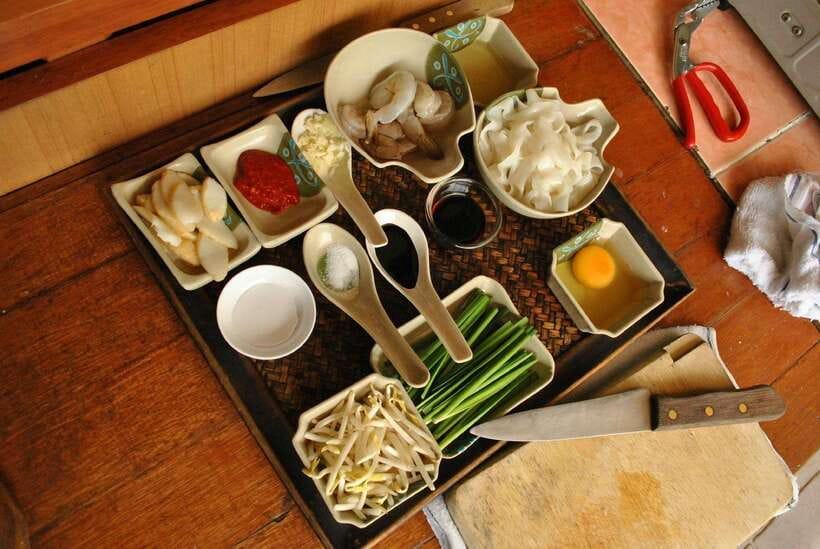
The core of the day is a 3-course lunch: an appetizer, a main course, and a dessert. The menu changes by day, and the class notes that each day features a different ethnic menu. That’s useful because Malaysian cuisine isn’t one single style. It’s a set of cuisines and regional influences that mix spices, aromatics, and textures differently depending on the dish.
What you can expect in terms of structure is consistent:
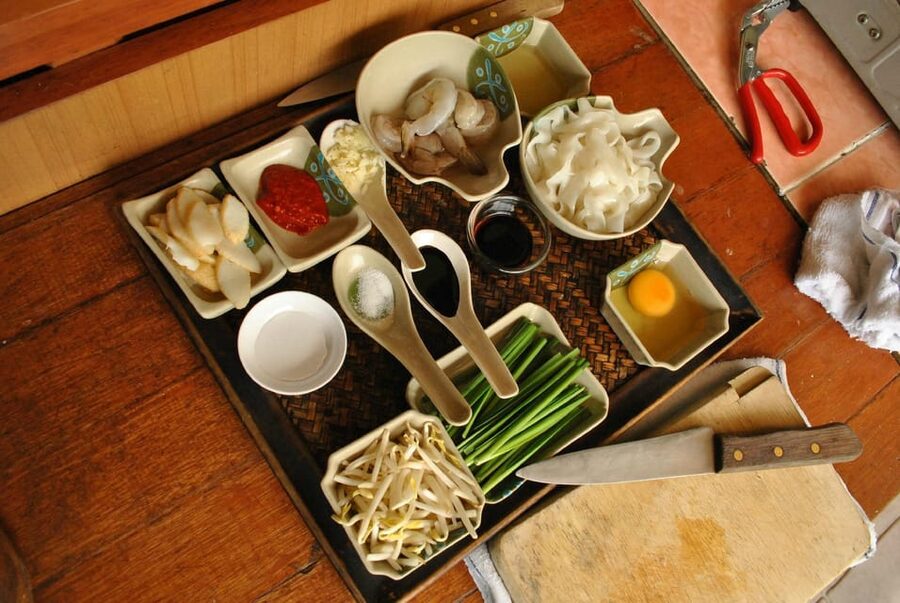
- You learn the ingredient prep and the flavor base.
- You cook the course step-by-step with guidance.
- You eat what you made as a group lunch.
This “make it, then eat it” format is the part I’d tell you not to skip. Cooking classes can be worth it even when the food is average. This one has the advantage that the lunch is the point. When your appetizer and main use the same building blocks—like herbs, spices, and aromatics—you start to see how Malaysian dishes connect, even when they look different on the plate.
Wax, dye and pewter, more maker sessions


The menu examples you might see
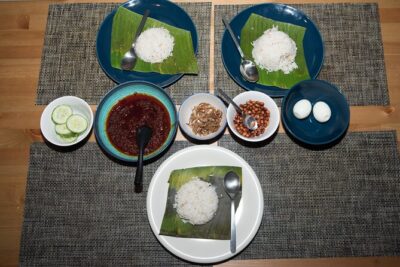
You might cook dishes like Nasi Lemak and Chicken Rendang. One review specifically mentions learning both, with the instructor explaining cultural context as they cooked. That’s a useful clue: the class isn’t only teaching you what to do. It’s also giving you context for what you’re doing and what to expect from the final flavor.
Dessert matters more than you think
Dessert in cooking classes is often treated like an afterthought. Here, dessert is a required part of the 3-course structure, which helps you see Malaysian sweetness as part of the overall meal, not a separate event. Even if the exact dessert varies by day, you’ll get practice with finishing touches and texture, not just savory cooking.
Snacks, coffee, and tea
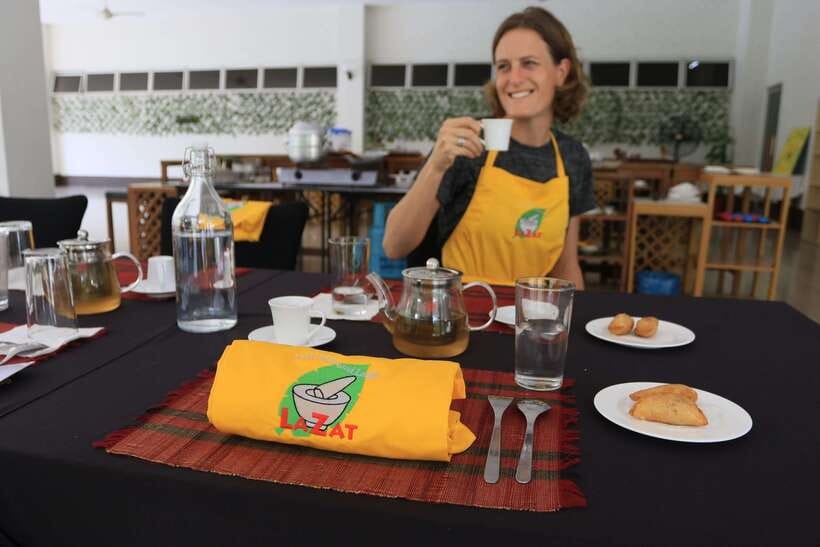
You’ll also have included snacks plus coffee and/or tea. This helps during a long 330-minute day, especially if you’re doing the market tour first and then cooking. Food breaks matter in real life. You don’t want to burn out before the dessert stage.
Cooking the traditional way: Ana’s philosophy and Saadiah’s storytelling
The experience is grounded in tradition, but not in a stiff museum way. The class emphasizes respect for Malaysian cooking methods and uses fresh herbs and spices from local farms and a garden. That matters because aroma and freshness are not optional in Malaysian food. If you start with dull ingredients, your dish will taste like it’s missing something even if your technique is correct.
Founder Ana’s motto—Massage your ingredients and fill them up with love—isn’t just a cute phrase. It reflects the class approach: you handle ingredients deliberately so flavors release and blend properly. In practical terms, it pushes you to treat prep as part of cooking, not something you rush through.
When instructors bring personality and cultural context, the whole day becomes more memorable. Reviews highlight Saadiah as a standout teacher, with deep knowledge of Malaysian food and culture. She’s also praised for sharing her life, history, and culture while teaching—so you’re not only learning recipes, you’re learning how people understand and live with these dishes. One review notes that Saadiah is usually the Saturday instructor, which could be a helpful detail if you’re choosing your date.
Safety and pacing you can feel
Another strong point from the reviews is that hosts keep attention on both safety and enjoyment. In a hands-on class, that balance matters. You want a cooking day that feels controlled enough for novices, but flexible enough for you to ask questions when something doesn’t look right.
Timing, transport, and what your day will feel like
This class runs 330 minutes (about 5.5 hours). It’s a full block, and that’s part of the value. You’re not signing up for a short demonstration where you leave hungry and unsure what you just saw. You’ll actually cook, eat, and learn in a sequence that makes sense.
Here’s how to think about the flow:
- Start with ingredients: market tour at 8:30 AM
- Move to the kitchen: included transfer after the market tour
- Hands-on cooking: your own tools and stove
- Lunch at the end: you eat your appetizer, main, and dessert
Transport to the wet market (Pasar Besar TTDI) is not included, and transport after class finishes is also not included. That doesn’t mean it’s hard—just means you should plan your ride. If you’re staying near KL’s train lines, getting to TTDI may be straightforward, but you’ll still want to avoid last-minute guessing.
The option to skip the market
If the early start is the only thing holding you back, you can skip the market tour and join later. That’s a rare and practical flexibility. It lets you still access the cooking class even if you’d rather sleep a bit longer or you’re arriving in town after the morning begins.
Price and value: is $149 for this class worth it?
At $149 per person, this isn’t a budget snack. But it also isn’t priced like a fancy dinner show. It’s closer to paying for a guided, hands-on cooking day with real prep time and your own cooking station.
Here’s what you’re getting for the money:
- a market tour that teaches ingredient basics and techniques
- a full 3-course lunch you prepare yourself
- included cooking gear for each participant
- snacks plus coffee and/or tea
- transfers from the wet market to the cooking school after the market tour
The most convincing value point is the hands-on setup. In many classes, you pay for instruction but share tools with too many people. Here, the equipment list is individual—stove, countertop, utensils, traditional tools, and mortar & pestle. That means your time in the kitchen is productive, not just observational.
Also, because the menu changes by day, you might find this class is more than a one-and-done activity if you’re in Kuala Lumpur longer. You could taste different sides of Malaysian cuisine without repeating the exact same dish list.
Who will likely love it most
This class fits best if you want:
- cooking instruction with practical technique
- a real taste of how ingredients connect to the finished dish
- a cultural explanation, especially with instructors like Saadiah
- a structured day that ends in food you made, not just watched
If you only care about eating one meal and don’t want to cook much, you might prefer a shorter food experience. But if you like learning with your hands, this is a strong match.
Should you book LaZat’s Malaysian Cooking Class with Market Tour?
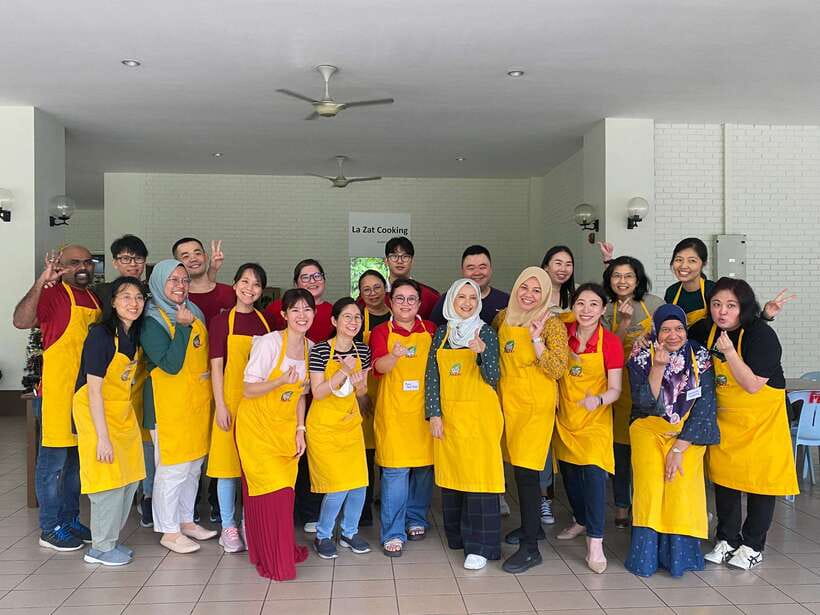
I’d say book it if you want to understand Malaysian cooking from the ingredient level and you like hands-on days. The market tour gives you context, the kitchen time gives you technique, and the lunch gives you a satisfying payoff. The class also sounds well run, with hosts focused on safety and enjoyment.
I would pause before booking if:
- you dislike early mornings and don’t want to deal with the 8:30 AM start, even though you can skip the market
- you’d rather not plan transport to TTDI yourself
- you’re looking for a quick, low-effort activity rather than a 5.5-hour workshop
If that early start works for you, the overall structure and the individual cooking station make this one of the more dependable ways to spend a morning in Kuala Lumpur.
FAQ
Where do I meet for the market tour?
You meet at TTDI Wet Market, at the entrance facing Jalan Wan Kadir.
What time does the market tour start?
The market tour starts at 8:30 AM.
Can I join without doing the market tour?
Yes. You can skip the market tour and join later.
How long is the experience?
The duration is 330 minutes.
What’s included in the class?
Each participant gets an individual cooking setup, including a gas burner stove, countertop, cooking utensils, traditional utensils, and a mortar & pestle. It also includes snacks, coffee and/or tea, and a transfer from the wet market to the school after the market tour.
What is not included?
Alcoholic beverages are not included. Transport to the wet market (Pasar Besar TTDI) and transport after the class finishes are also not included.
Filed Under Kuala Lumpur
- Kuala Lumpur: Batu Caves Half-Day Tour with Pick-Up Option
★ 4.5 · 4,288 reviews - Private Half-Day Batu Caves and Cutural Tour in Kuala Lumpur
★ 5.0 · 3,107 reviews - Sambal Streets Kuala Lumpur Food Tour with 15+ Tastings
★ 5.0 · 2,438 reviews - Historical Malacca Guided Day Tour (Shared Tour)
★ 5.0 · 2,172 reviews
Made in KL, by You
- Batu Caves & Malaysian Handicraft Tour: Pewter & Batik Experience
★ 4.5 · 316 reviews - Batu Caves and Sari Experience with Batik Workshop
★ 5.0 · 181 reviews - Malaysia Cooking Classes With Local
★ 5.0 · 87 reviews - LaZat Malaysian Cooking Class
★ 5.0 · 87 reviews
Rempah Homework
- LaZat Malaysian Cooking Class
★ 5.0 · 87 reviews - Malaysia Cooking Classes With Local
★ 5.0 · 87 reviews - New Malaysian Kitchen Cooking Class and Garden Tour
★ 5.0 · 54 reviews - Market Visit & Private Hands-on Cooking Class at Daun Senja
★ 5.0 · 51 reviews
Fresh Reviews from the Klang Valley
- Kuala Lumpur by Night: Food, Culture & City Lights Tour”
★ 4.5 · 3 reviews - Kuala Lumpur Customizable Tour
★ 5.0 · 3 reviews - National Zoo with Giant Panda
★ 3.5 · 3 reviews - Kuala Lumpur City to Kuala Lumpur International Airport Transfer
★ 5.0 · 3 reviews - Private Magical View With Petronas Tower & Cultural Dinner
★ 4.2 · 3 reviews
Batik & Pewter Workshops, compared.
 ★ 4.5Batu Caves & Malaysian Handicraft Tour: Pewter & Batik ExperienceFrom $29316 reviews
 ★ 5.0Batu Caves and Sari Experience with Batik WorkshopFrom $54181 reviews
 ★ 5.0LaZat Malaysian Cooking ClassFrom $13087 reviews
 ★ 5.0Malaysia Cooking Classes With LocalFrom $5987 reviews
 ★ 3.5Batu Caves and Malaysian Crafts Tour from Kuala LumpurFrom $2474 reviews
 ★ 5.0New Malaysian Kitchen Cooking Class and Garden TourFrom $15054 reviews
 ★ 5.0Market Visit & Private Hands-on Cooking Class at Daun SenjaFrom $13051 reviews
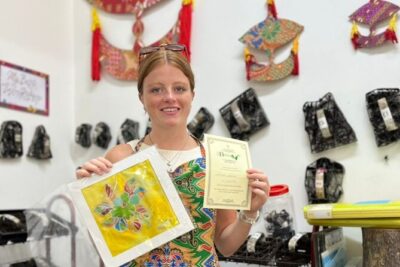 ★ 5.0Batik Coloring Workshop by myBatikFrom $1648 reviews
Browse the lists this tour appears in